
How a Gas Pipeline Pressure Plugger Enhances Efficiency in Pipe Systems
Nov 12,2025
How a Gas Pipeline Pressure Plugger Enhances Efficiency in Pipe Systems
In the world of construction and decorative materials, particularly within pipe systems, efficiency and safety are paramount. One of the critical tools that contribute significantly to these goals is the gas pipeline pressure plugger. This article delves into how this innovative device enhances operational efficiency, reduces downtime, and ensures the integrity of piping systems.
Understanding Gas Pipeline Pressure Pluggers
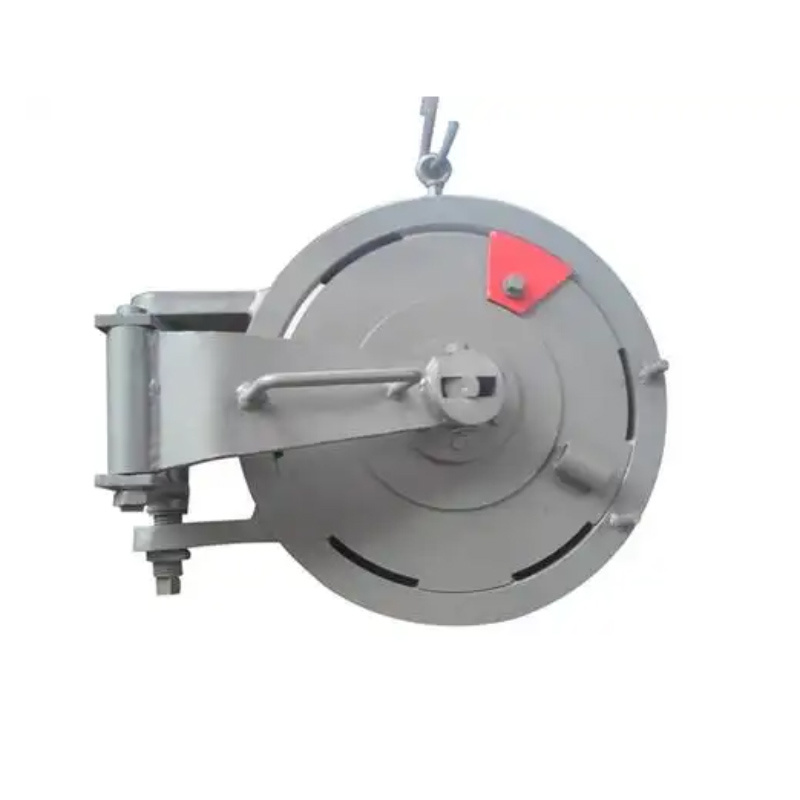
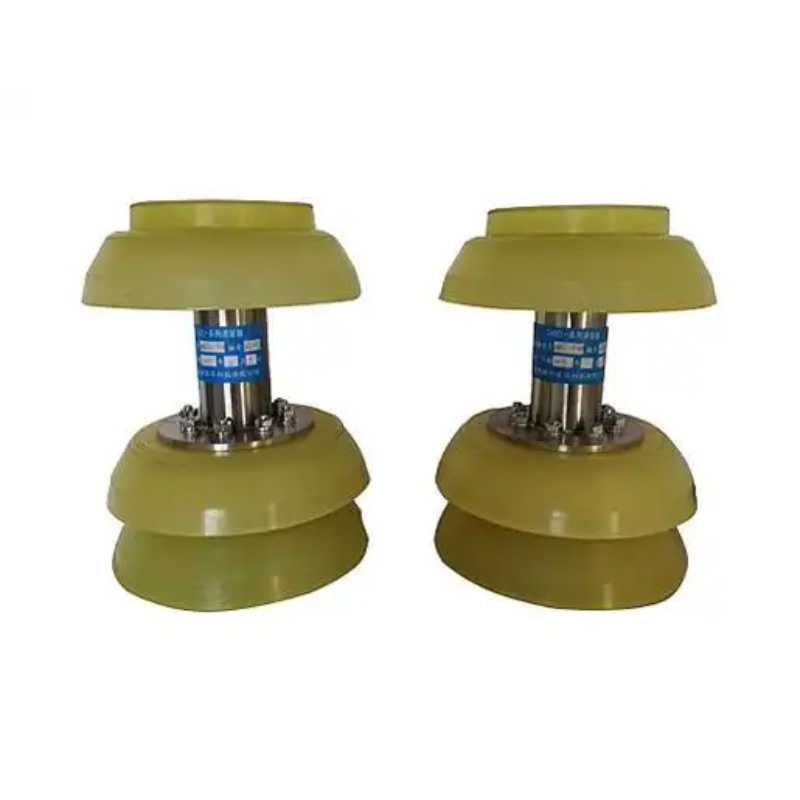
A gas pipeline pressure plugger is a specialized tool designed to seal off a section of a pipeline, allowing for safe repairs, maintenance, or testing without disrupting the entire system. It operates by creating a reliable pressure seal that prevents gas leakage and ensures the safety of workers and the environment.
The Functionality of a Pressure Plugger
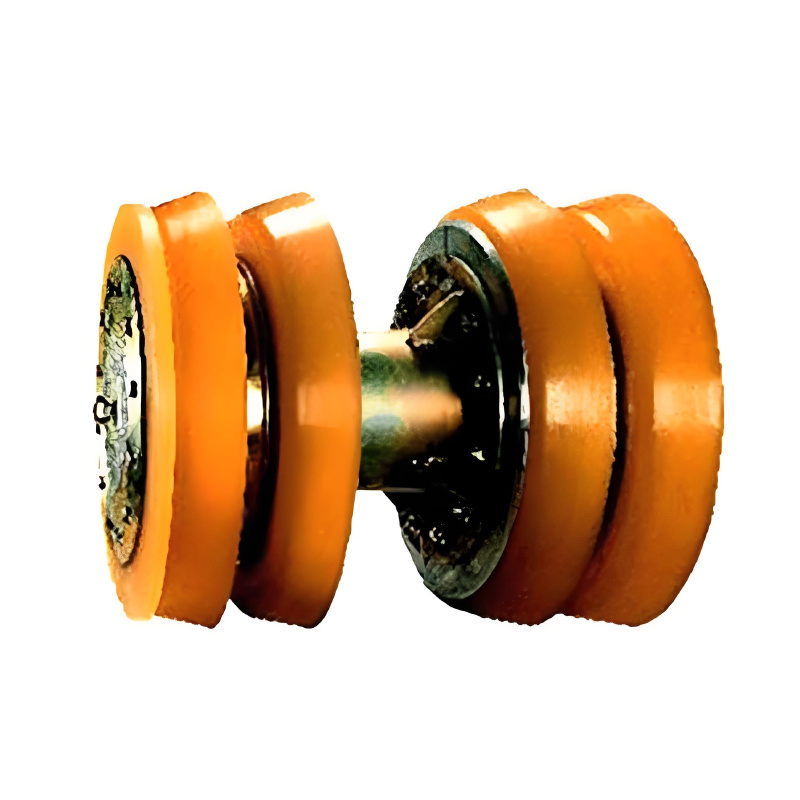
The pressure plugger works by employing inflatable or mechanical plugs that can be inserted into pipelines. Once in place, these plugs expand to create a tight seal, allowing operators to safely isolate sections of a pipe for various operations. The ability to maintain pressure while isolating a section is crucial for the efficiency of gas distribution networks.
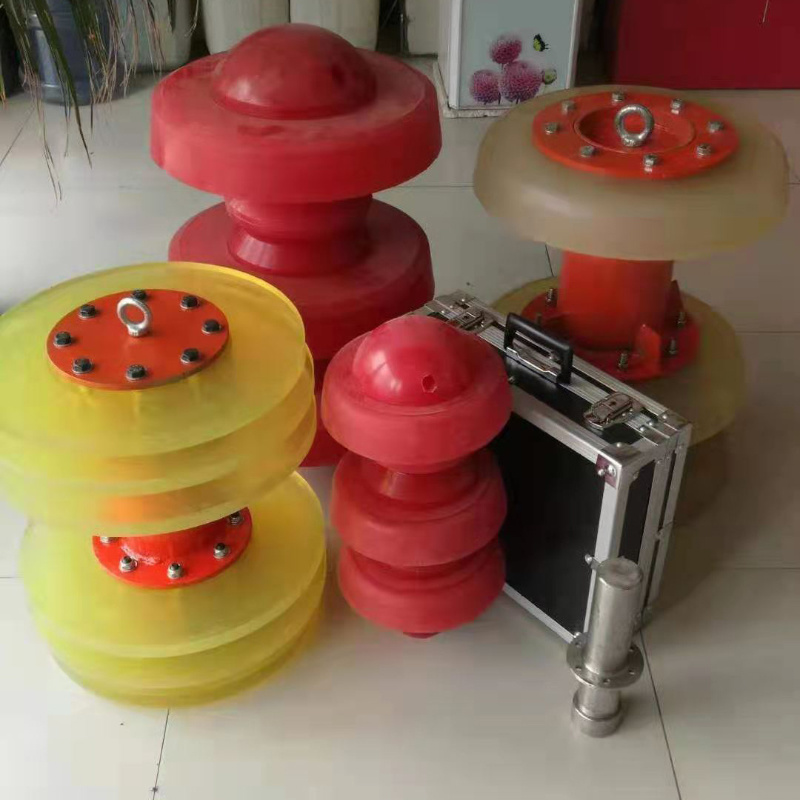
Types of Gas Pipeline Pressure Pluggers
Several types of pressure pluggers are available, each suited for different applications:
- Inflatable Pluggers: These use air or gas pressure to expand a rubber bladder, forming a seal against the pipe walls.
- Mechanical Pluggers: These rely on mechanical devices to create a seal, often including clamps or other fastening mechanisms.
- Collapsible Pluggers: Designed for easy transport and storage, these pluggers can be expanded when needed and collapsed for easy handling.
Benefits of Using Gas Pipeline Pressure Pluggers
1. Enhanced Safety Measures
Safety is a top priority in any gas pipeline operation. The use of pressure pluggers minimizes the risk of gas leaks during maintenance activities. By isolating sections of the pipeline, workers can perform repairs and inspections without the fear of exposure to hazardous gases. This added layer of safety not only protects workers but also helps in complying with regulatory standards.
2. Increased Operational Efficiency
Time is money in the construction industry. Gas pipeline pressure pluggers facilitate quicker maintenance and repairs by allowing sections of the pipeline to be isolated without the need to depressurize the entire system. This leads to a reduction in downtime and enhances overall operational efficiency.
3. Cost-Effectiveness
Investing in a gas pipeline pressure plugger can lead to significant cost savings. By reducing the time required for repairs and minimizing potential gas loss due to leaks, companies can operate more economically. Furthermore, the durability and reliability of modern pluggers reduce the frequency of replacements, translating to lower long-term costs.
4. Versatility Across Applications
Gas pipeline pressure pluggers are versatile tools suitable for various applications, including:
- Gas distribution networks
- Pipelines in industrial plants
- Municipal gas systems
- Oil and gas extraction sites
Their adaptability makes them an essential component in many operational scenarios, enhancing their value to contractors and engineers alike.
Implementing Gas Pipeline Pressure Pluggers in Projects
Steps for Effective Implementation
To maximize the benefits of gas pipeline pressure pluggers, it’s essential to follow a structured implementation process:
- Assessment: Evaluate the specific needs of the project, including pipeline size, pressure requirements, and the nature of the maintenance work.
- Selection: Choose the appropriate type of pressure plugger based on the assessment. Consider factors such as the ease of installation and the materials used in the construction of the plugger.
- Training: Ensure that all personnel involved in the operation are trained on the correct usage and safety protocols related to the pressure plugger.
- Installation: Carefully install the pressure plugger according to manufacturer specifications, ensuring a secure fit.
- Monitoring: Continuously monitor the seal's integrity during the operation to prevent accidents or leaks.
Best Practices for Maintenance and Safe Operation
To ensure long-lasting performance and safety, adhere to the following best practices:
- Conduct regular inspections of the pressure plugger for wear and tear.
- Follow manufacturer guidelines for maintenance and replacement schedules.
- Document all maintenance activities and any incidents for future reference and improvement.
Case Studies: Success Stories in Pipeline Efficiency
1. Case Study: Municipal Gas System Upgrade
A municipal gas system faced frequent interruptions due to pipeline leaks. By introducing gas pipeline pressure pluggers, the city was able to isolate damaged sections quickly. This led to a 30% reduction in repair times, minimizing service interruptions to residents and improving overall system reliability.
2. Case Study: Industrial Plant Efficiency
An industrial plant utilized pressure pluggers during a major pipeline overhaul. The ability to maintain gas pressure while isolating sections for replacement significantly sped up the project timeline, resulting in a cost savings of approximately 20% compared to traditional methods.
Industry Trends: The Future of Pipeline Technology
1. Advancements in Materials and Design
The ongoing development of new materials and designs for gas pipeline pressure pluggers is set to enhance their effectiveness further. Innovations in lightweight yet durable materials can lead to easier handling and installation, making maintenance operations more efficient.
2. Smart Technology Integration
As the industry moves toward smart technology, the integration of sensors and monitoring systems into pressure pluggers is anticipated. This can provide real-time data on seal integrity and operational conditions, leading to proactive maintenance strategies and improved safety measures.
Frequently Asked Questions (FAQs)
1. What is a gas pipeline pressure plugger?
A gas pipeline pressure plugger is a tool that seals sections of a gas pipeline to allow safe maintenance and testing without depressurizing the entire system.
2. How does a pressure plugger enhance efficiency?
By isolating sections of the pipeline, pressure pluggers facilitate faster repairs, reduce downtime, and minimize the risk of gas leaks, leading to overall efficiency improvements.
3. Are there different types of gas pipeline pressure pluggers?
Yes, there are inflatable, mechanical, and collapsible types, each suited for specific applications and operational needs.
4. How often should pressure pluggers be inspected?
Regular inspections should be conducted based on the manufacturer's recommendations and the operational demands of the pipeline system.
5. What industries benefit from gas pipeline pressure pluggers?
Industries such as natural gas distribution, oil and gas extraction, and municipal gas systems can significantly benefit from the use of pressure pluggers.
Conclusion
In summary, a gas pipeline pressure plugger plays a crucial role in enhancing efficiency within pipe systems. By improving safety measures, increasing operational efficiency, and offering versatility across diverse applications, these tools are invaluable in the construction and decorative materials industry. As technology continues to advance, the potential for even greater efficiency and safety improvements is on the horizon. Investing in high-quality gas pipeline pressure pluggers will undoubtedly yield long-term benefits for any organization involved in pipeline management.