Understanding High-Pressure Pipe Pluggers: Essential Tools in Pipeline Maintenance
Mar 13,2026
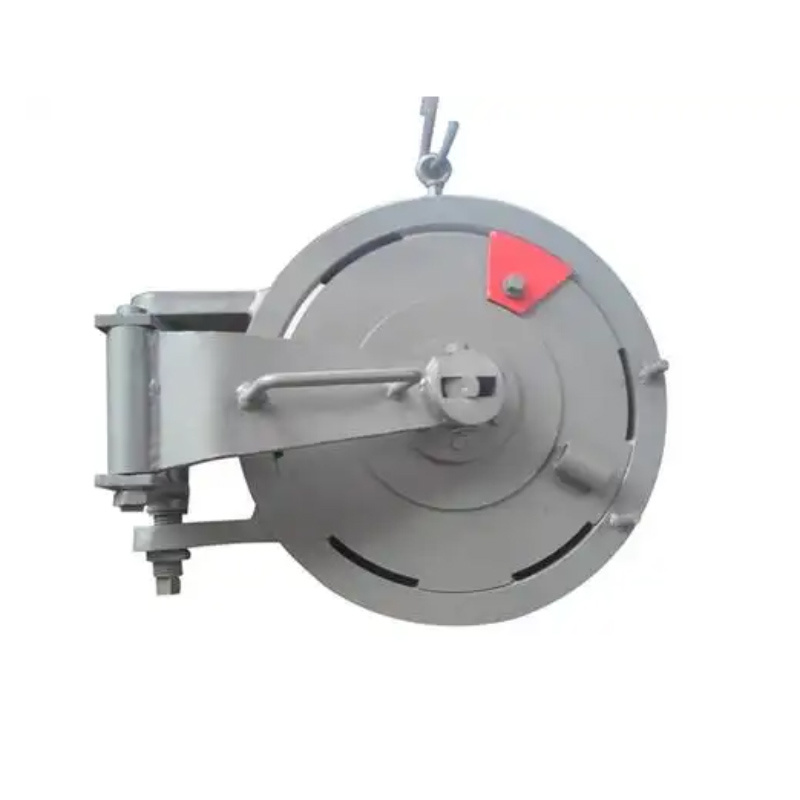
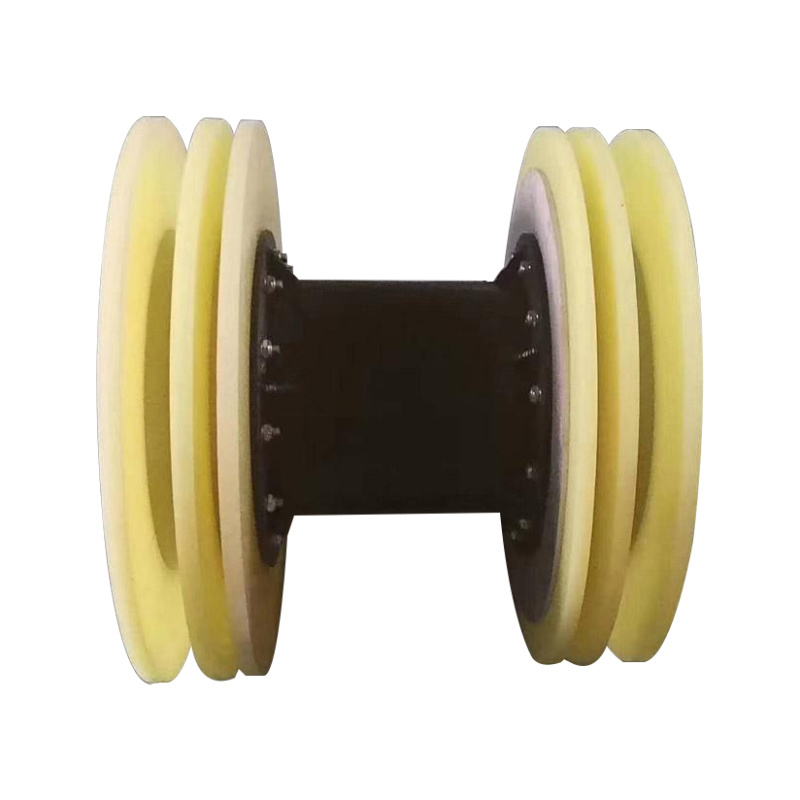
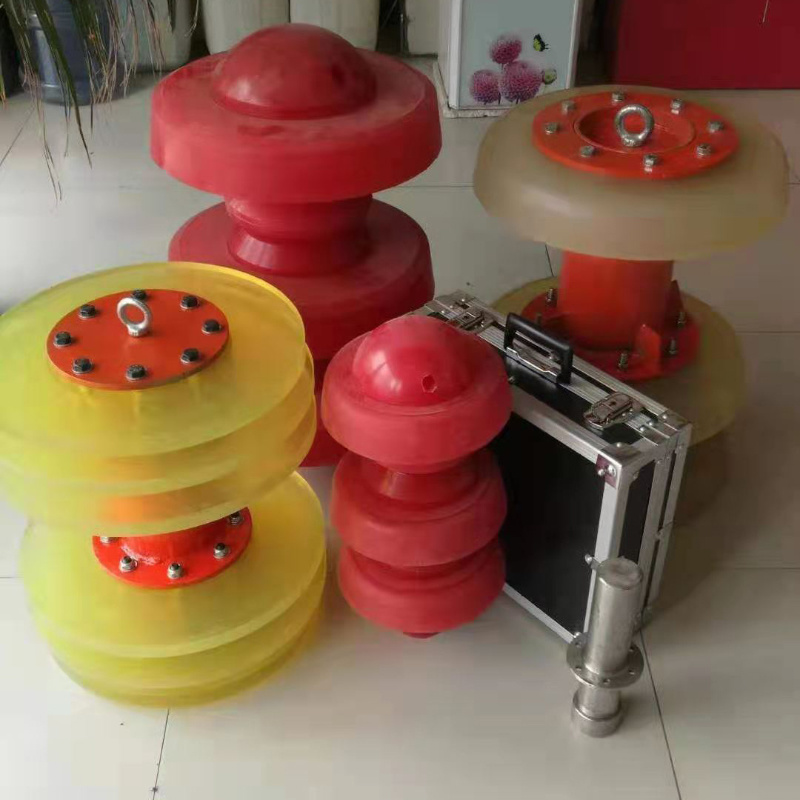
High-pressure pipe pluggers are essential tools used in various industries, particularly in construction and pipeline maintenance. These devices are designed to temporarily seal off sections of pipes, allowing for safe maintenance, repairs, or inspections without the need for complete system shutdowns. Understanding the functionality and application of high-pressure pipe pluggers can help business
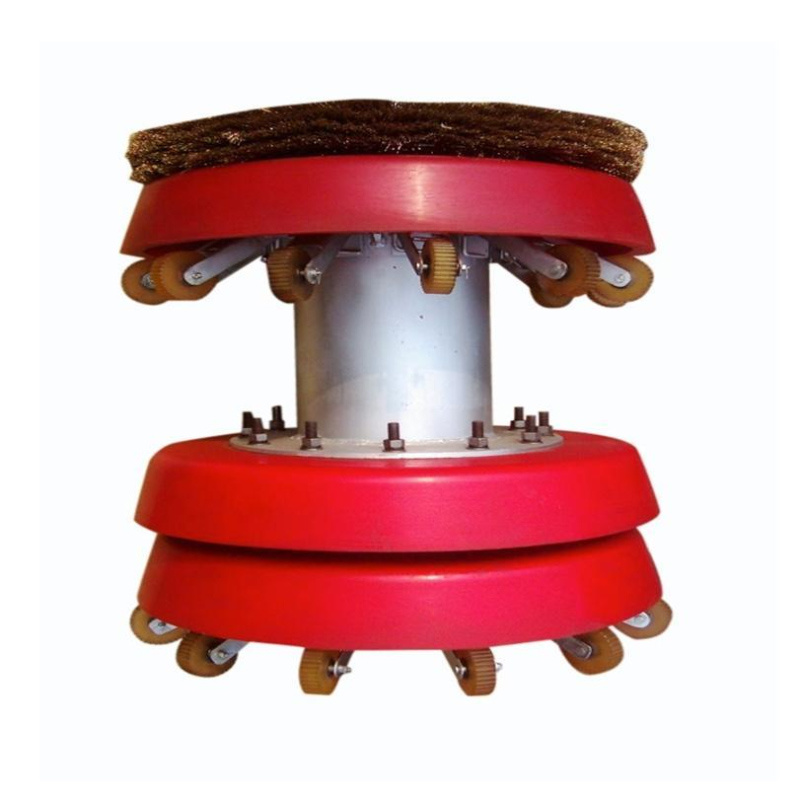
High-pressure pipe pluggers are essential tools used in various industries, particularly in construction and pipeline maintenance. These devices are designed to temporarily seal off sections of pipes, allowing for safe maintenance, repairs, or inspections without the need for complete system shutdowns. Understanding the functionality and application of high-pressure pipe pluggers can help businesses maintain operational efficiency and pipeline integrity.
High-pressure pipe pluggers work by creating a secure seal within the pipe using a combination of inflatable or mechanical mechanisms. They are often made from durable materials that can withstand extreme pressures, ensuring that they do not fail even in high-stress environments. The ability to isolate sections of a pipeline is crucial for various tasks, including draining, cleaning, or replacing damaged sections, without disrupting the entire system.
One significant advantage of using high-pressure pipe pluggers is their versatility. They can be employed in various types of pipelines, including those used for water, gas, and industrial liquids. This adaptability makes them valuable in different fields, from municipal water systems to oil and gas industries. Their application can help prevent leaks and spills, thus safeguarding both the environment and public safety.
In addition to preventing environmental hazards, high-pressure pipe pluggers contribute to cost savings. By enabling targeted repairs, businesses can avoid extensive downtime and the associated lost revenue. Furthermore, maintaining pipeline systems with the help of these tools can prolong their lifespan, reducing the need for frequent replacements or extensive renovations.
When selecting a high-pressure pipe plugger, it's essential to consider factors such as pipe size, pressure requirements, and the specific materials being handled. Various models are available to accommodate different needs, so understanding your system's specifications is crucial for selecting the right tool.
Moreover, proper usage and maintenance of high-pressure pipe pluggers are vital for ensuring their effectiveness. Regular inspections, adherence to operational guidelines, and timely replacement of worn components can enhance performance and safety. Training staff on the correct utilization of these tools further ensures that pipeline maintenance tasks are carried out efficiently.
In conclusion, high-pressure pipe pluggers are indispensable in the construction and decorative materials industry, particularly for pipeline systems. Their ability to facilitate maintenance while minimizing disruptions makes them a key component in ensuring the longevity and integrity of various piping systems. By understanding their functionality and applications, businesses can leverage these tools to achieve optimal operational efficiency and safety.
High-pressure pipe pluggers work by creating a secure seal within the pipe using a combination of inflatable or mechanical mechanisms. They are often made from durable materials that can withstand extreme pressures, ensuring that they do not fail even in high-stress environments. The ability to isolate sections of a pipeline is crucial for various tasks, including draining, cleaning, or replacing damaged sections, without disrupting the entire system.
One significant advantage of using high-pressure pipe pluggers is their versatility. They can be employed in various types of pipelines, including those used for water, gas, and industrial liquids. This adaptability makes them valuable in different fields, from municipal water systems to oil and gas industries. Their application can help prevent leaks and spills, thus safeguarding both the environment and public safety.
In addition to preventing environmental hazards, high-pressure pipe pluggers contribute to cost savings. By enabling targeted repairs, businesses can avoid extensive downtime and the associated lost revenue. Furthermore, maintaining pipeline systems with the help of these tools can prolong their lifespan, reducing the need for frequent replacements or extensive renovations.
When selecting a high-pressure pipe plugger, it's essential to consider factors such as pipe size, pressure requirements, and the specific materials being handled. Various models are available to accommodate different needs, so understanding your system's specifications is crucial for selecting the right tool.
Moreover, proper usage and maintenance of high-pressure pipe pluggers are vital for ensuring their effectiveness. Regular inspections, adherence to operational guidelines, and timely replacement of worn components can enhance performance and safety. Training staff on the correct utilization of these tools further ensures that pipeline maintenance tasks are carried out efficiently.
In conclusion, high-pressure pipe pluggers are indispensable in the construction and decorative materials industry, particularly for pipeline systems. Their ability to facilitate maintenance while minimizing disruptions makes them a key component in ensuring the longevity and integrity of various piping systems. By understanding their functionality and applications, businesses can leverage these tools to achieve optimal operational efficiency and safety.