Best Uses for Oil Pipeline Sealing Pluggers in Various Industries
Jun 06,2026
Best Uses for Oil Pipeline Sealing Pluggers in Various Industries
Oil pipeline sealing pluggers serve as vital components in ensuring the integrity and safety of pipeline systems. As industries evolve and demand for efficient solutions increases, understanding the various applications of these tools becomes essential. This article comprehensively explores the best uses for oil pipeline sealing plu
Best Uses for Oil Pipeline Sealing Pluggers in Various Industries
Oil pipeline sealing pluggers serve as vital components in ensuring the integrity and safety of pipeline systems. As industries evolve and demand for efficient solutions increases, understanding the various applications of these tools becomes essential. This article comprehensively explores the best uses for oil pipeline sealing pluggers across different sectors, providing valuable insights into their functionality, benefits, and best practices.
Table of Contents
- 1. Introduction to Oil Pipeline Sealing Pluggers
- 2. How Oil Pipeline Sealing Pluggers Work
- 3. Benefits of Using Oil Pipeline Sealing Pluggers
- 4. Uses in the Oil and Gas Industry
- 5. Applications in the Chemical Industry
- 6. Implementation in Water Management
- 7. Impact on Environmental Safety
- 8. Best Practices for Using Oil Pipeline Sealing Pluggers
- 9. Conclusion
- 10. Frequently Asked Questions
1. Introduction to Oil Pipeline Sealing Pluggers
Oil pipeline sealing pluggers are designed to prevent leaks and spills in pipelines, which can lead to catastrophic environmental damage and financial losses. These tools are engineered to provide a reliable seal, allowing for safe operations within various industries. Their importance cannot be overstated, especially in sectors such as oil and gas, chemicals, and water management.
2. How Oil Pipeline Sealing Pluggers Work
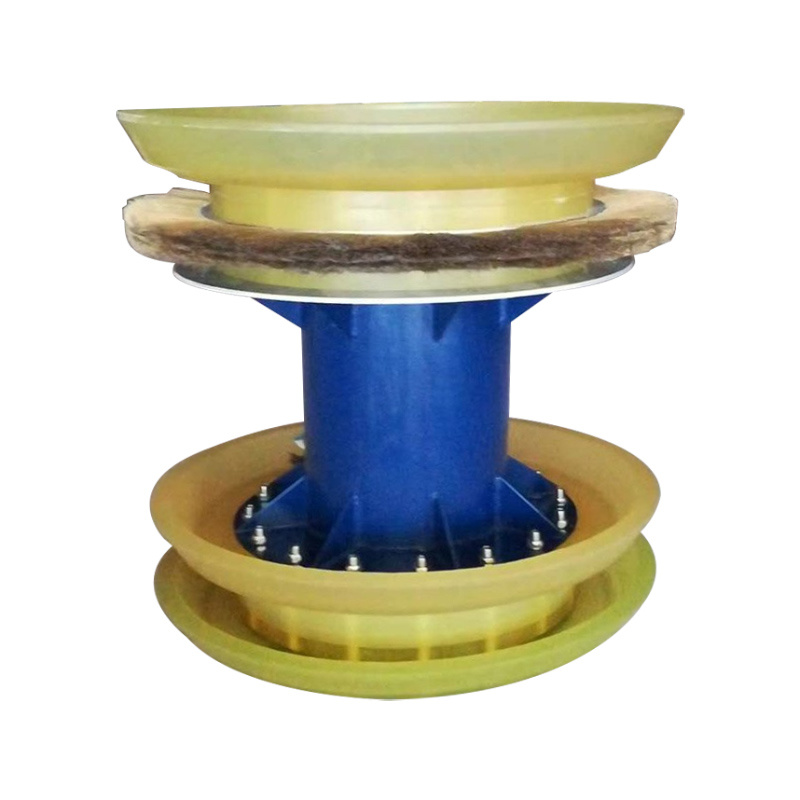
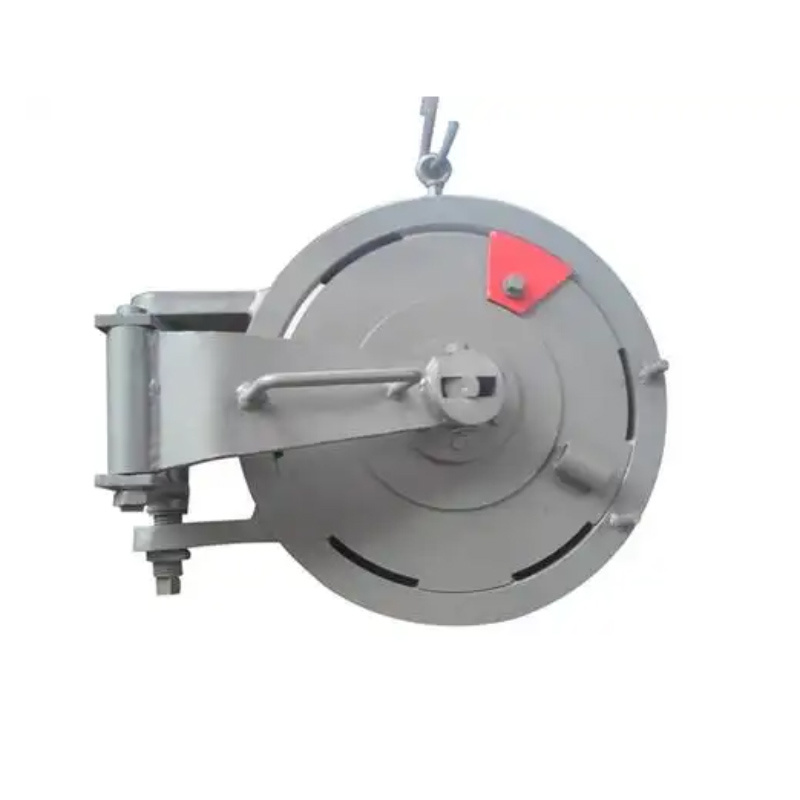
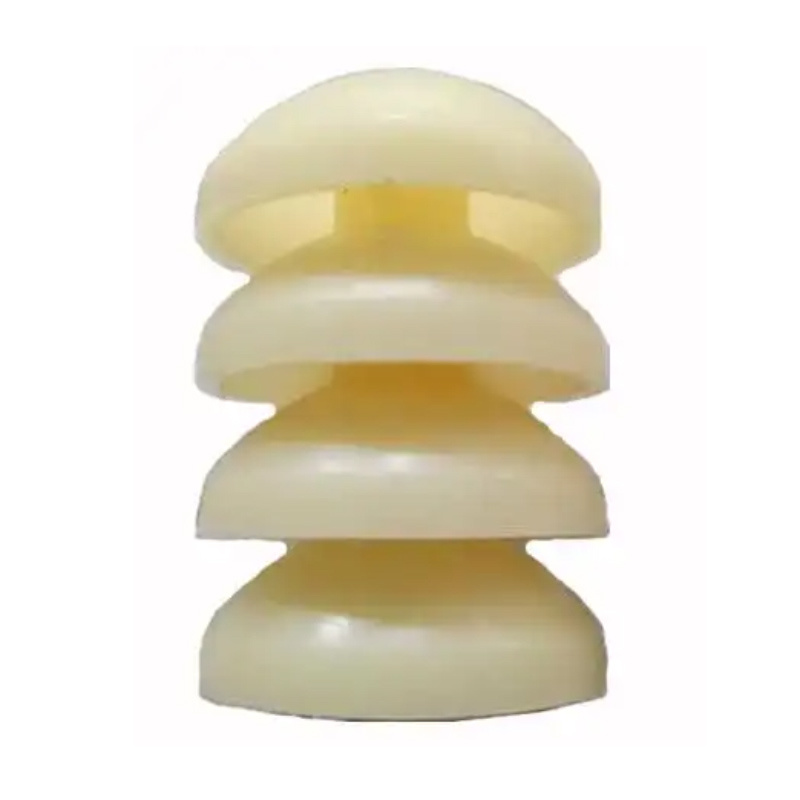
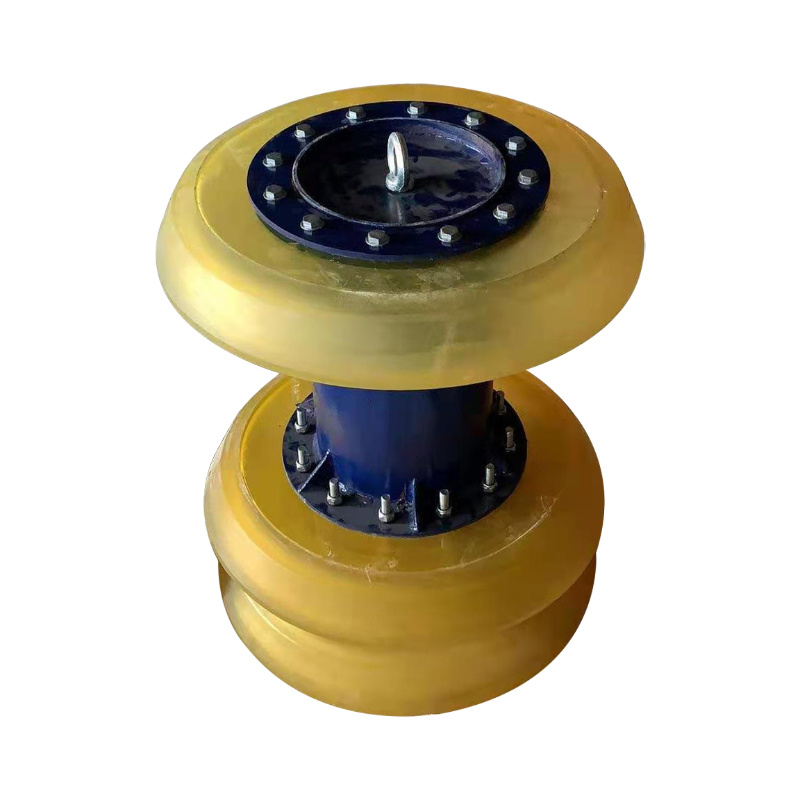
The functionality of oil pipeline sealing pluggers revolves around their design and the materials used in their construction. Typically made from robust materials such as rubber, polyurethane, or specialized metals, these pluggers are inserted into a pipeline to create an impermeable barrier.
When pressure is applied, the plugger expands to fill the pipeline's interior, effectively sealing any potential leaks. This mechanism not only stops the flow of liquids but also prevents contamination and protects the surrounding environment. Understanding how these sealing devices work is crucial for their effective implementation across various applications.
3. Benefits of Using Oil Pipeline Sealing Pluggers
The advantages of utilizing oil pipeline sealing pluggers extend beyond leak prevention. Here are some key benefits:
3.1 Enhanced Safety
In the oil and gas sector, safety is paramount. Pipeline leaks can pose significant risks to workers and communities. Sealing pluggers mitigate these dangers by ensuring that pipelines remain secure.
3.2 Cost-Effectiveness
By preventing leaks, companies can avoid costly clean-up operations and legal liabilities associated with environmental damage. This cost-saving aspect makes sealing pluggers a worthwhile investment.
3.3 Versatility
Oil pipeline sealing pluggers are adaptable across various industries, making them valuable tools in different settings. Their ability to function in diverse environments enhances their utility.
4. Uses in the Oil and Gas Industry
The oil and gas industry is the primary sector utilizing oil pipeline sealing pluggers. Their applications include:
4.1 Leak Prevention
In exploration and production, sealing pluggers are crucial for preventing leaks during drilling. They effectively safeguard against spills that could harm ecosystems.
4.2 Maintenance Operations
During maintenance, pipelines may need to be depressurized. Sealing pluggers facilitate this process by isolating sections of the pipeline, allowing for safe repairs without risking leaks.
4.3 Emergency Response
In emergencies, rapid application of sealing pluggers can minimize the impact of spills, allowing for immediate response efforts to contain any leaks.
5. Applications in the Chemical Industry
In the chemical industry, the use of oil pipeline sealing pluggers is equally significant. Key applications include:
5.1 Storage Tank Sealing
Sealing pluggers can be employed in storage tanks to prevent leaks during the transfer of chemicals, thus safeguarding against potential hazards.
5.2 Preventing Contamination
By sealing pipelines transporting chemicals, these pluggers help maintain the integrity of the product, preventing contamination that could compromise quality.
6. Implementation in Water Management
Water management systems also benefit from oil pipeline sealing pluggers:
6.1 Leak Detection
Utilizing sealing pluggers in water pipeline systems aids in the early detection of leaks, facilitating timely repairs and conserving water resources.
6.2 Infrastructure Protection
Sealing pluggers protect vital infrastructure by preventing contaminants from entering clean water supplies, thereby ensuring public health and safety.
7. Impact on Environmental Safety
The environmental impact of oil pipeline sealing pluggers cannot be overlooked. Their use contributes significantly to:
7.1 Reducing Environmental Pollution
By effectively preventing leaks, sealing pluggers minimize the risk of oil spills, which can have devastating effects on wildlife and natural habitats.
7.2 Promoting Sustainable Practices
Industries that adopt sealing pluggers demonstrate a commitment to sustainability, aligning with global efforts to protect the environment and combat climate change.
8. Best Practices for Using Oil Pipeline Sealing Pluggers
To maximize the effectiveness of oil pipeline sealing pluggers, consider the following best practices:
8.1 Regular Inspections
Conducting routine inspections of pipelines ensures that sealing pluggers are in good condition and functioning properly, preventing any unexpected failures.
8.2 Proper Installation
Following manufacturer guidelines for installation is crucial to achieving a reliable seal. Ensuring the correct size and type of plugger is used is equally important.
8.3 Training Personnel
Training employees on the proper use of sealing pluggers enhances safety and efficiency, reducing the likelihood of mishandling during operations.
9. Conclusion
Oil pipeline sealing pluggers play an indispensable role in various industries, particularly within the oil and gas, chemical, and water management sectors. Their ability to prevent leaks, enhance safety, and protect the environment positions them as essential tools in modern pipeline management. By understanding their best uses and implementing effective practices, companies can not only comply with safety regulations but also contribute to a more sustainable future.
10. Frequently Asked Questions
10.1 What are oil pipeline sealing pluggers made from?
Oil pipeline sealing pluggers are typically made from durable materials such as rubber, polyurethane, or specialized metals designed to withstand high pressure and various environmental conditions.
10.2 How are sealing pluggers installed?
Sealing pluggers are inserted into the pipeline at designated points, expanding under pressure to create an airtight seal. Proper installation techniques are crucial for their effectiveness.
10.3 Can sealing pluggers be reused?
In some cases, sealing pluggers can be reused if they are not damaged. However, it is essential to inspect them for wear and tear before reinstallation.
10.4 Are there different types of sealing pluggers?
Yes, various types of sealing pluggers are available, each designed for specific applications, pressures, and pipe sizes. Selecting the right type is essential for optimal performance.
10.5 How do sealing pluggers contribute to environmental safety?
Sealing pluggers prevent leaks and spills in pipelines, significantly reducing the risk of pollution and environmental damage, thus playing a vital role in promoting safety and sustainability.