
The Essential Role of Gas Pipeline Pressure Pluggers in Construction and Pipeline Systems
Dec 17,2025
Gas pipeline pressure pluggers play a crucial role in the maintenance and integrity of pipeline systems within the construction and decorative materials industry. These devices are designed to temporarily seal and secure gas pipelines, ensuring safe and efficient operations during maintenance, testing, and repair processes. By understanding the technical aspects of gas pipeline pressure pluggers,

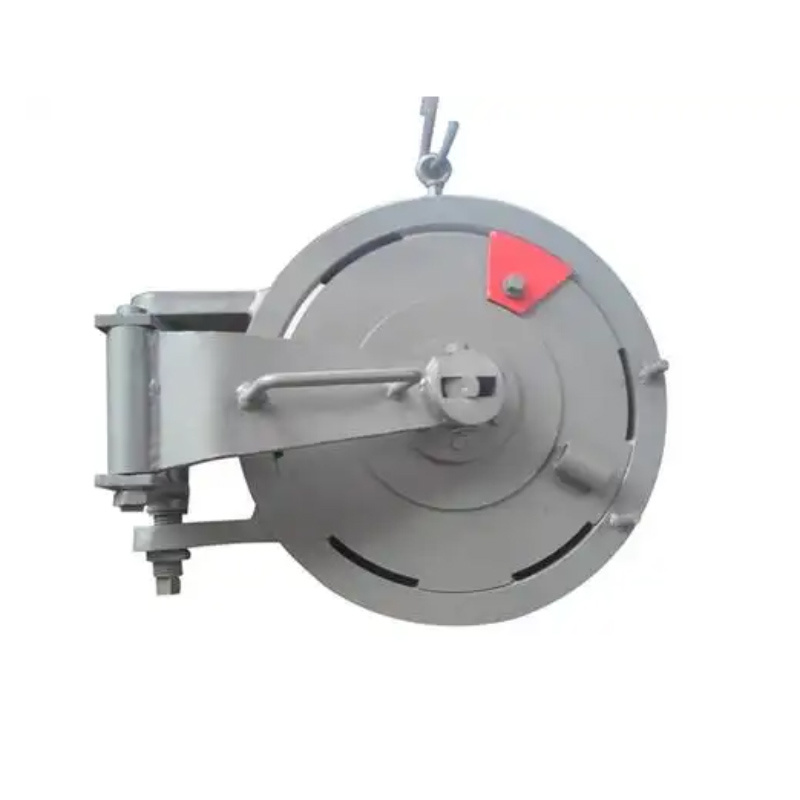
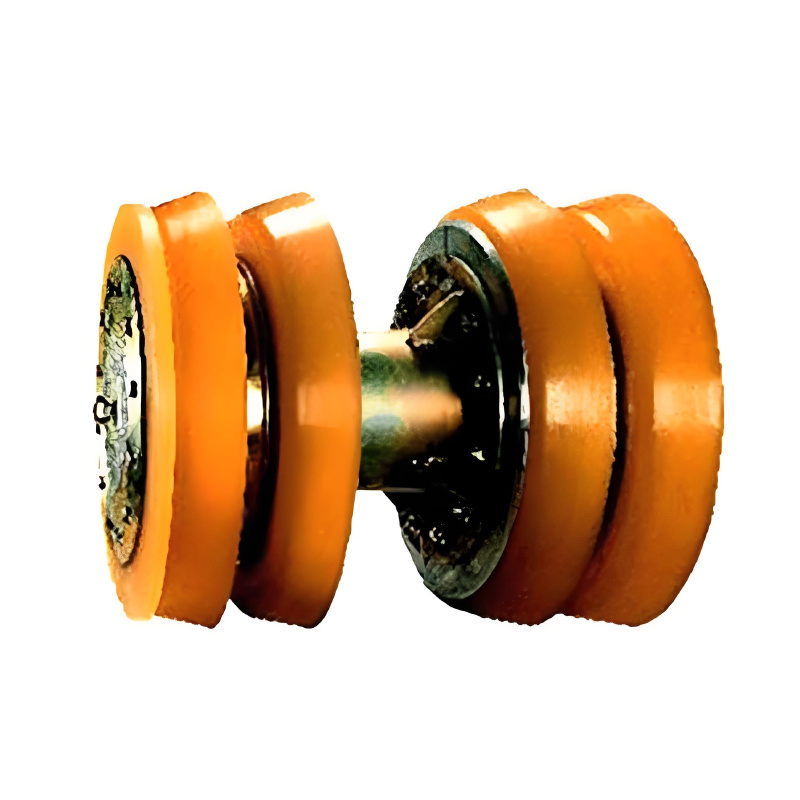
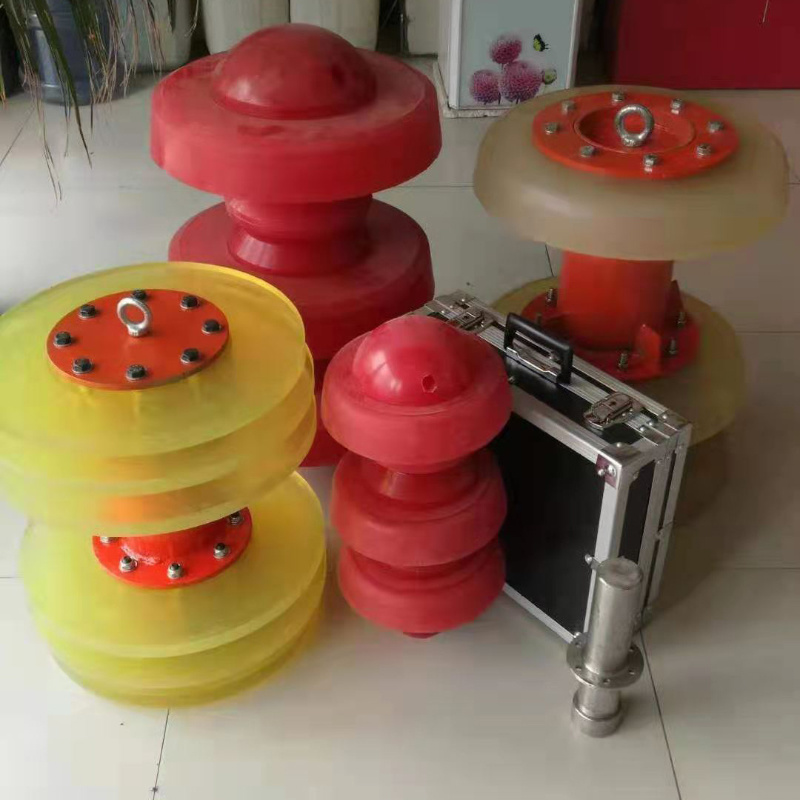
Gas pipeline pressure pluggers play a crucial role in the maintenance and integrity of pipeline systems within the construction and decorative materials industry. These devices are designed to temporarily seal and secure gas pipelines, ensuring safe and efficient operations during maintenance, testing, and repair processes. By understanding the technical aspects of gas pipeline pressure pluggers, professionals can enhance their pipeline management strategies and ensure the reliability of their systems.
One of the primary functions of a gas pipeline pressure plugger is to maintain pressure within the pipeline while work is being conducted. This is essential for preventing gas leaks and ensuring safety. When a pipeline requires maintenance, the pressure plugger is inserted into the pipeline, effectively blocking the flow of gas. This allows technicians to work on the pipeline without the risk of gas escaping, which could lead to hazardous situations.
In addition to safety, gas pipeline pressure pluggers are instrumental in facilitating various testing procedures, such as pressure testing and leak detection. By ensuring a sealed environment, these devices help professionals accurately assess the integrity of the pipeline and identify any potential weaknesses or failures. This is particularly important in construction projects where compliance with safety standards and regulations is paramount.
The materials used in manufacturing gas pipeline pressure pluggers are also significant. Typically crafted from durable and corrosion-resistant materials, these pluggers are designed to withstand high pressure and extreme conditions often encountered in gas pipelines. This durability ensures a longer lifespan, reducing the need for frequent replacements and minimizing project downtime.
Moreover, the application of gas pipeline pressure pluggers extends beyond just maintenance and testing. They can also be utilized during the initial installation of gas pipelines, providing an extra layer of security and reliability. By incorporating these tools into the installation process, professionals can ensure that the pipeline operates smoothly from the outset.
In conclusion, gas pipeline pressure pluggers are invaluable tools within the construction and decorative materials industry, specifically regarding pipeline management. Their ability to maintain pressure, facilitate testing, and enhance safety makes them essential for any professional involved in pipeline systems. By understanding their functionality and applications, industry professionals can implement better practices, ensuring the integrity and reliability of gas pipelines in their projects. Ultimately, incorporating gas pipeline pressure pluggers into operational strategies will lead to improved safety, efficiency, and compliance within the industry.
One of the primary functions of a gas pipeline pressure plugger is to maintain pressure within the pipeline while work is being conducted. This is essential for preventing gas leaks and ensuring safety. When a pipeline requires maintenance, the pressure plugger is inserted into the pipeline, effectively blocking the flow of gas. This allows technicians to work on the pipeline without the risk of gas escaping, which could lead to hazardous situations.
In addition to safety, gas pipeline pressure pluggers are instrumental in facilitating various testing procedures, such as pressure testing and leak detection. By ensuring a sealed environment, these devices help professionals accurately assess the integrity of the pipeline and identify any potential weaknesses or failures. This is particularly important in construction projects where compliance with safety standards and regulations is paramount.
The materials used in manufacturing gas pipeline pressure pluggers are also significant. Typically crafted from durable and corrosion-resistant materials, these pluggers are designed to withstand high pressure and extreme conditions often encountered in gas pipelines. This durability ensures a longer lifespan, reducing the need for frequent replacements and minimizing project downtime.
Moreover, the application of gas pipeline pressure pluggers extends beyond just maintenance and testing. They can also be utilized during the initial installation of gas pipelines, providing an extra layer of security and reliability. By incorporating these tools into the installation process, professionals can ensure that the pipeline operates smoothly from the outset.
In conclusion, gas pipeline pressure pluggers are invaluable tools within the construction and decorative materials industry, specifically regarding pipeline management. Their ability to maintain pressure, facilitate testing, and enhance safety makes them essential for any professional involved in pipeline systems. By understanding their functionality and applications, industry professionals can implement better practices, ensuring the integrity and reliability of gas pipelines in their projects. Ultimately, incorporating gas pipeline pressure pluggers into operational strategies will lead to improved safety, efficiency, and compliance within the industry.
PREVIOUS: