
Essential Tools for Working with Oil Pipeline Sealing Pluggers: A Comprehensive Guide
Dec 10,2025
Essential Tools for Working with Oil Pipeline Sealing Pluggers
Table of Contents
- 1. Introduction to Oil Pipeline Sealing Pluggers
- 2. Importance of Using the Right Tools
- 3. Key Tools for Working with Sealing Pluggers
- 4. Techniques for Effective Use of Sealing Pluggers
- 5. Maintenance of Tools and Equipment
- 6. Safety Measures When Working with Oil Pipeline Sealing Pluggers
- 7. Frequently Asked Questions
- 8. Conclusion
1. Introduction to Oil Pipeline Sealing Pluggers
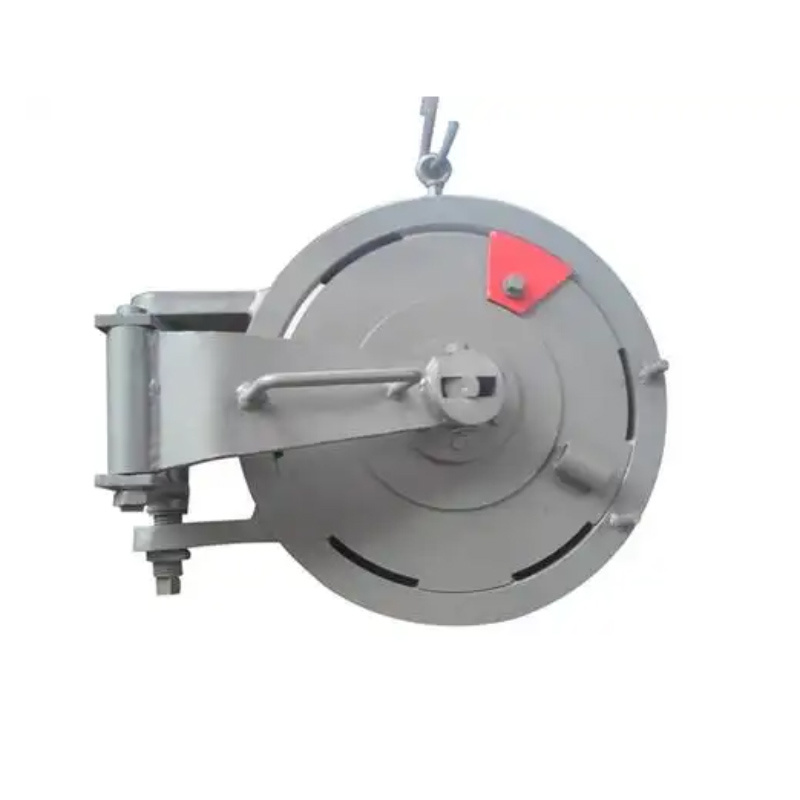
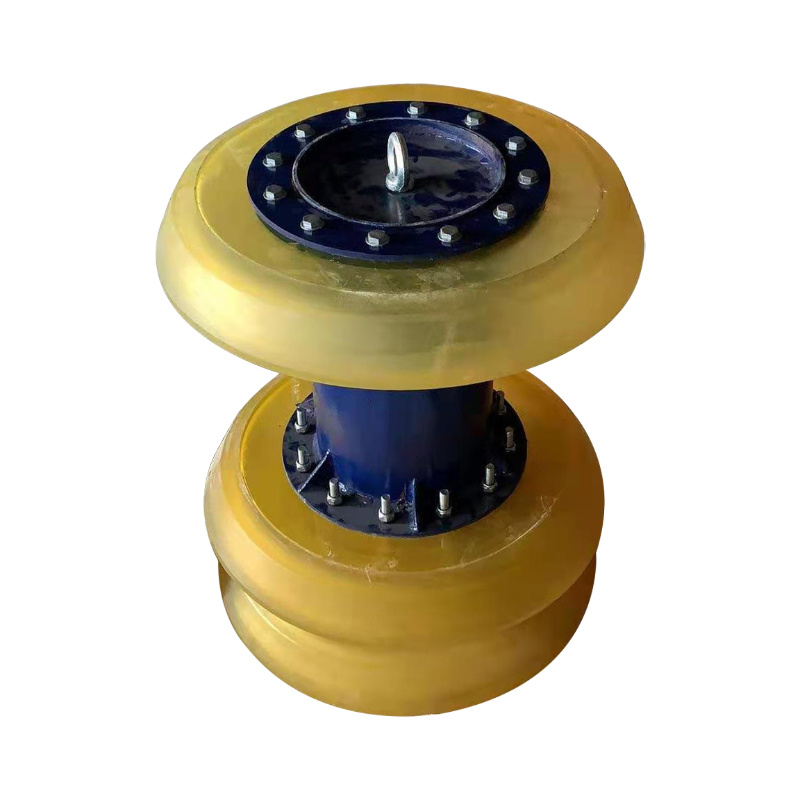
Working with oil pipelines requires precision and the right tools. **Oil pipeline sealing pluggers** are critical components used to isolate sections of a pipeline for maintenance or repair. These devices seal off the flow of oil, ensuring that work can be conducted safely without leaks or spills. Understanding the essential tools and techniques to effectively work with these pluggers can significantly improve the efficiency and safety of pipeline operations.
2. Importance of Using the Right Tools
Using the right tools for sealing pluggers is crucial for several reasons. First, proper tools enhance safety by minimizing the risk of accidents and leaks during operation. Second, they ensure effective sealing, which is vital for maintaining pipeline integrity and environmental protection. Lastly, having the right tools can save time and reduce operational costs by facilitating quicker and more efficient workflows.
3. Key Tools for Working with Sealing Pluggers
Understanding the essential tools needed for effective work with oil pipeline sealing pluggers can make a significant difference in the quality of your work. Below is a detailed look at these tools:
3.1 Wrenches
Wrenches are fundamental tools in any pipeline maintenance toolkit. They are used to tighten or loosen fittings associated with sealing pluggers. The most common types of wrenches include:
- **Adjustable Wrenches**: Versatile tools that can grip various sizes of nuts and bolts.
- **Socket Wrenches**: Ideal for use with various sizes of plugs and fittings, providing better torque and ease of use.
- **Torque Wrenches**: Ensure that fittings are secured to the manufacturer’s specifications, preventing leaks or damage.
Choosing high-quality wrenches can improve your efficiency and effectiveness when working with sealing pluggers.
3.2 Sealing Pluggers
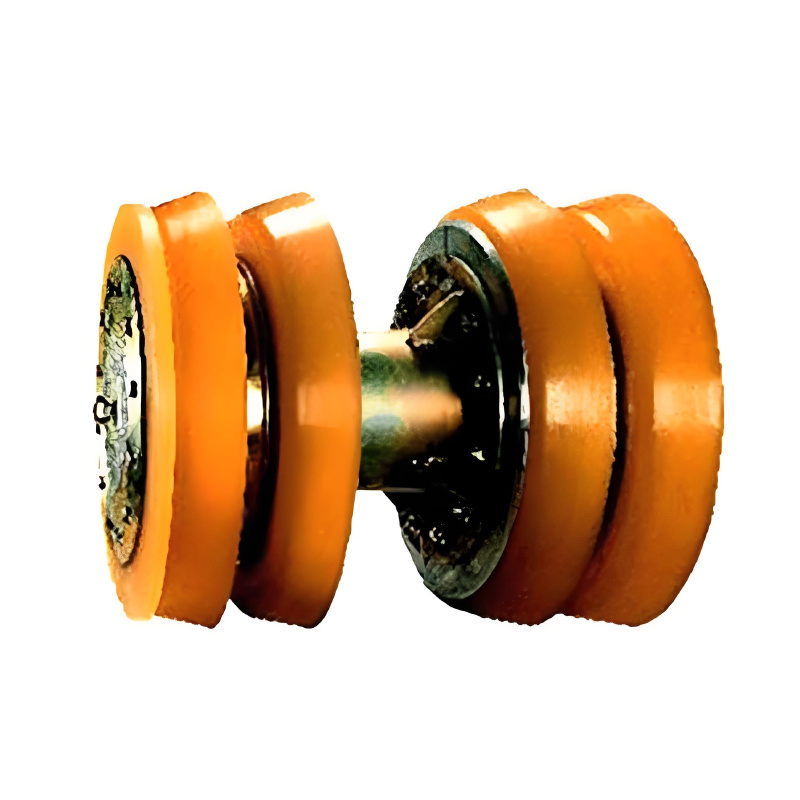
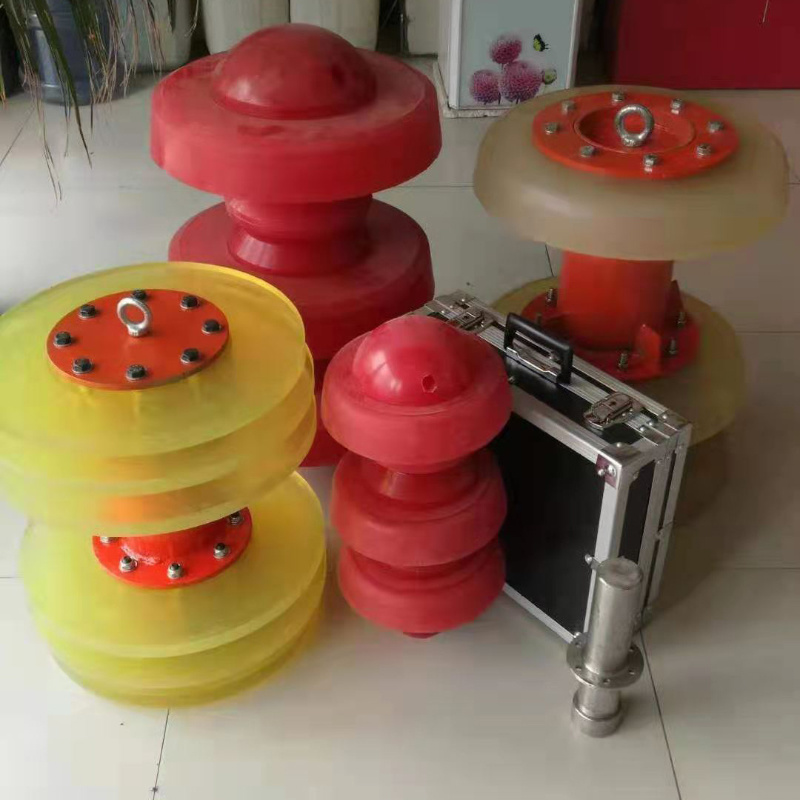
The sealing pluggers themselves come in various designs and materials, such as rubber, metal, or composite materials. Selecting the right type of sealing plug is crucial, as it must be compatible with the pipeline's material and the type of oil it transports. Consider the following types:
- **Mechanical Pluggers**: Typically used for temporary isolation, these pluggers are mechanically activated to create a seal.
- **Inflatable Pluggers**: Common in more complex pipeline systems, these pluggers expand within the pipe to create a tight seal.
Understanding the specific requirements of your project will guide your choice of sealing plug.
3.3 Gaskets and Seals
Gaskets and seals play a vital role in ensuring that connectivity between components is leak-proof. They can be made from various materials, including rubber, silicone, or metal. Here are a few types to consider:
- **Flat Gaskets**: Ideal for non-flanged connections in pipelines, providing a reliable sealing surface.
- **O-rings**: Used in conjunction with pluggers for enhanced sealing capabilities.
- **Spiral Wound Gaskets**: Effective for high-pressure applications, offering excellent compressibility and recovery.
Investing in high-quality gaskets and seals will enhance the overall safety and efficiency of your pipeline operations.
3.4 Personal Protective Equipment (PPE)
Safety should always be a priority when working with oil pipelines. **Personal Protective Equipment (PPE)** is essential for safeguarding workers against potential hazards. Key PPE items include:
- **Safety Glasses**: Protect the eyes from debris and splashes.
- **Gloves**: Chemical-resistant gloves are necessary to protect hands from hazardous substances.
- **Hard Hats**: Essential for head protection against potential overhead hazards.
- **Steel-toed Boots**: Provide foot protection and stability on the job site.
Ensuring that all team members wear appropriate PPE can significantly reduce injury risk during pipeline work.
3.5 Testing and Monitoring Equipment
To ensure that sealing pluggers are functioning correctly and that there are no leaks in the pipeline, various testing tools are required. These include:
- **Pressure Gauges**: Monitor the pressure levels within the pipeline to identify any irregularities that could indicate a leak.
- **Leak Detection Systems**: Advanced technology that can detect leaks in real time, ensuring immediate action can be taken.
- **Inspection Cameras**: Allow for visual inspection of the interior of pipelines, helping to assess the condition of seals and plugs.
Utilizing advanced testing and monitoring equipment is vital for maintaining pipeline integrity and safety.
4. Techniques for Effective Use of Sealing Pluggers
When working with oil pipeline sealing pluggers, employing the correct techniques is crucial for successful operation. Here are some practices to consider:
- **Proper Installation**: Ensure that pluggers are installed according to manufacturer specifications. Incorrect installation can lead to failure and environmental hazards.
- **Regular Maintenance**: Implement a routine maintenance schedule to check the condition of sealing pluggers and associated tools, ensuring they function optimally.
- **Testing for Leaks**: After installation, conduct thorough testing using pressure gauges and leak detection systems to confirm seals are effective.
By mastering these techniques, you can enhance the effectiveness of your pipeline maintenance operations.
5. Maintenance of Tools and Equipment
Maintaining your tools and equipment is essential for ensuring longevity and effectiveness. Here are key maintenance practices:
- **Clean Tools After Use**: Remove any debris or oil residue to prevent corrosion and ensure that tools remain in good working condition.
- **Inspect for Wear and Tear**: Regularly check your tools for signs of wear, including wrenches, pluggers, and gaskets. Replace any damaged items immediately.
- **Store Properly**: Keep tools in a clean, dry location to avoid rust and damage. Utilize toolboxes or racks to organize and protect your equipment.
Implementing these maintenance practices ensures your tools remain reliable and effective throughout their lifespan.
6. Safety Measures When Working with Oil Pipeline Sealing Pluggers
Safety is paramount in oil pipeline operations. Here are essential safety measures to consider:
- **Risk Assessments**: Conduct thorough assessments of potential hazards before commencing work to identify and mitigate risks.
- **Emergency Protocols**: Establish clear emergency protocols in case of spills, leaks, or accidents, ensuring all workers are trained to respond effectively.
- **Regular Training**: Provide ongoing training for workers on safety practices, proper tool usage, and emergency procedures to enhance preparedness.
By prioritizing safety, you can create a secure working environment that minimizes risks for all team members.
7. Frequently Asked Questions
What are oil pipeline sealing pluggers used for?
Oil pipeline sealing pluggers are used to temporarily isolate sections of pipelines, ensuring that maintenance or repairs can be conducted safely without the risk of leaks.
How do I choose the right sealing plug?
Choosing the right sealing plug depends on the pipeline material, the type of oil being transported, and the specific requirements of your project. Always refer to manufacturer specifications for guidance.
What tools are essential for working with sealing pluggers?
Essential tools include wrenches, sealing pluggers, gaskets, personal protective equipment (PPE), and testing equipment.
How can I ensure the safety of workers when working with oil pipelines?
Implement safety training, conduct risk assessments, and ensure all workers wear appropriate PPE to minimize risks during pipeline operations.
What maintenance practices should I follow for my tools?
Clean tools after use, inspect them regularly for damage, and store them properly to extend their lifespan and maintain their effectiveness.
8. Conclusion
Effectively working with oil pipeline sealing pluggers requires the right tools, techniques, and a strong emphasis on safety. By understanding the essential equipment and best practices, you can enhance your pipeline maintenance operations and ensure a safer working environment. Investing in quality tools and training your team will yield significant dividends, resulting in increased efficiency and reduced risk of accidents. Prioritizing safety and proper maintenance practices is not just beneficial—it's essential for the integrity of your operations and the protection of the environment.