A Comprehensive Guide to Gas Pipeline Pressure Pluggers: Ensuring Safety and Efficiency in Pipeline Systems
Mar 28,2026
A Comprehensive Guide to Gas Pipeline Pressure Pluggers
Gas pipeline systems are crucial for transporting natural gas and other gases safely and efficiently. Among the various components that contribute to the integrity and performance of these systems, **gas pipeline pressure pluggers** stand out as essential devices. This comprehensive guide will delve into the purpose, types, applications, and
A Comprehensive Guide to Gas Pipeline Pressure Pluggers
Gas pipeline systems are crucial for transporting natural gas and other gases safely and efficiently. Among the various components that contribute to the integrity and performance of these systems, **gas pipeline pressure pluggers** stand out as essential devices. This comprehensive guide will delve into the purpose, types, applications, and best practices associated with gas pipeline pressure pluggers, ensuring you have a clear understanding of their importance in pipeline maintenance and management.
Table of Contents
- What Are Gas Pipeline Pressure Pluggers?
- The Importance of Pressure Pluggers in Pipeline Systems
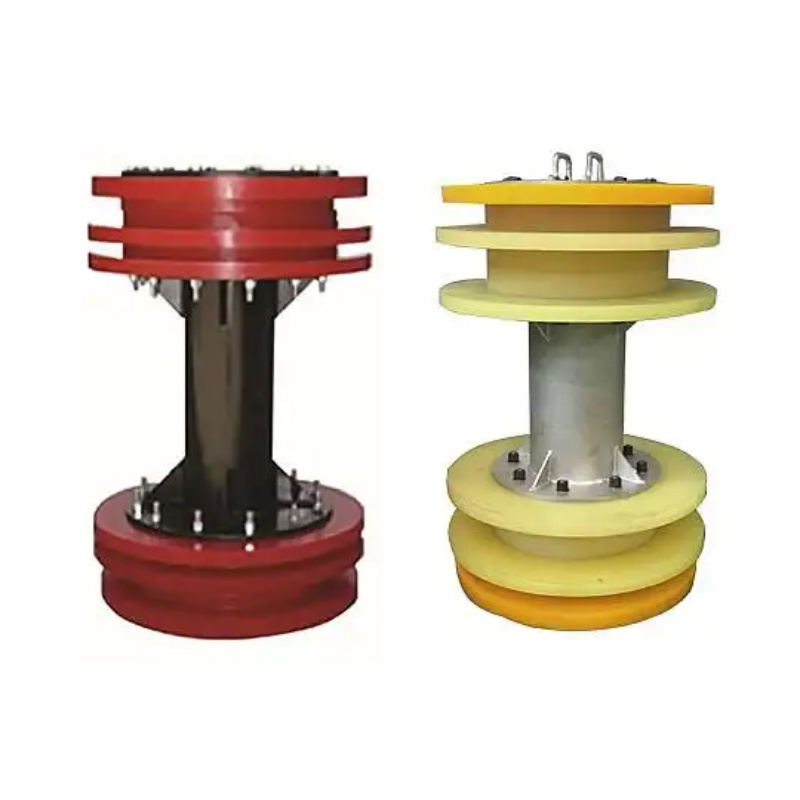
- Types of Gas Pipeline Pressure Pluggers
- Applications of Gas Pipeline Pressure Pluggers
- Installation Techniques for Pressure Pluggers
- Maintenance of Gas Pipeline Pressure Pluggers
- Choosing the Right Pressure Pluggers
- Industry Standards and Regulations
- Frequently Asked Questions
- Conclusion
What Are Gas Pipeline Pressure Pluggers?
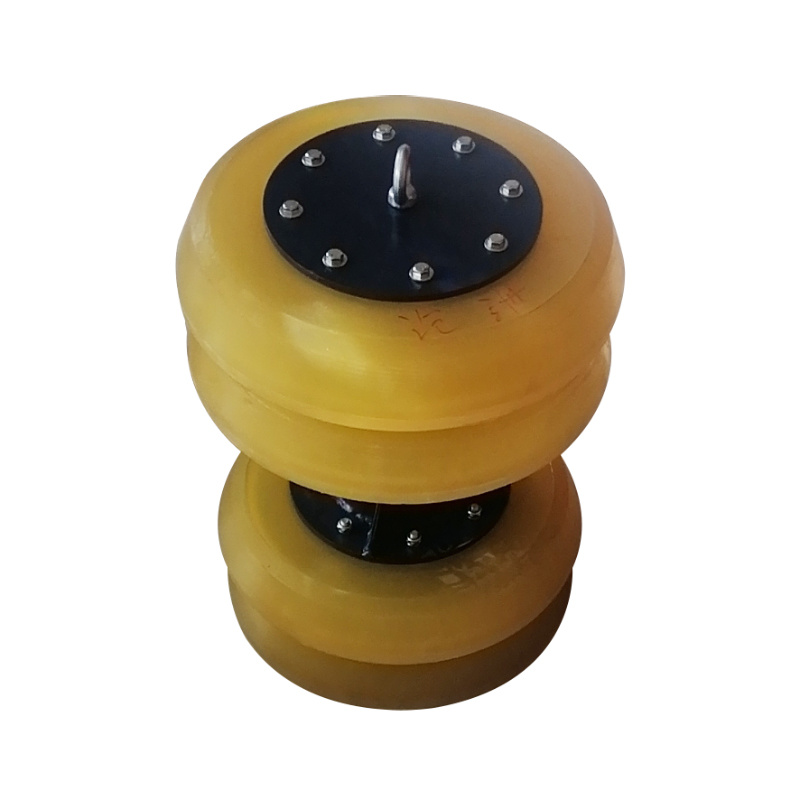
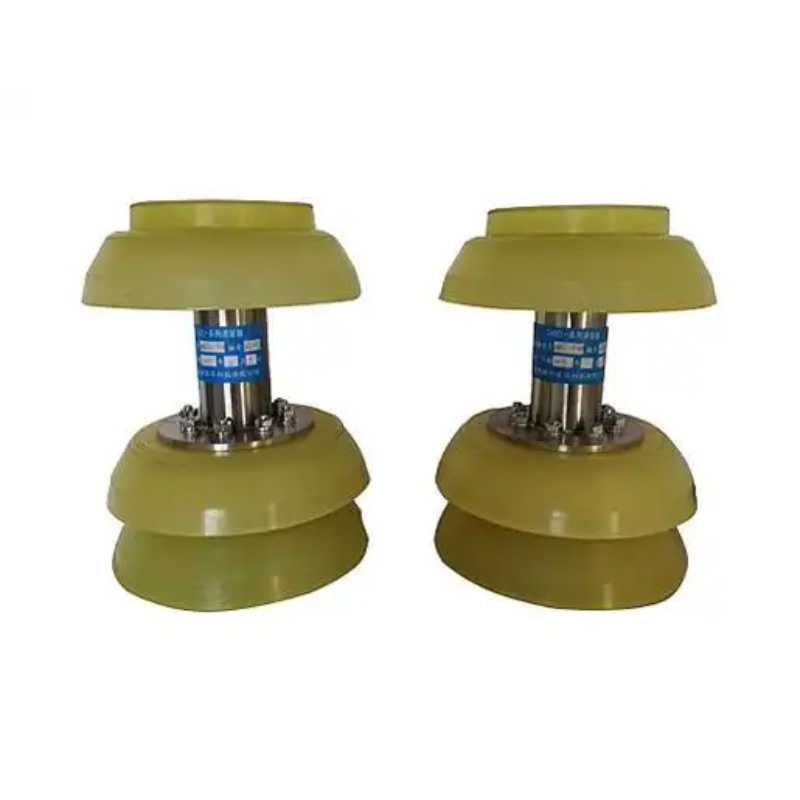
Gas pipeline pressure pluggers are devices used to temporarily block the flow of gas within a pipeline. Their primary function is to isolate sections of the pipeline for maintenance, repair, or testing without needing to depressurize the entire system. These pluggers effectively prevent gas from escaping, which is vital for ensuring safety and compliance with regulatory standards.
Pressure pluggers can be made from various materials, including metal and rubber, and are designed to fit snugly within the pipeline. Their use is essential in facilitating safe and efficient operations, particularly in high-pressure gas systems.
The Importance of Pressure Pluggers in Pipeline Systems
The significance of gas pipeline pressure pluggers cannot be overstated. They offer numerous benefits, including:
1. **Safety Assurance**: By isolating sections of the pipeline, pressure pluggers effectively minimize the risk of gas leaks, ensuring worker safety and environmental protection.
2. **Operational Efficiency**: Pressure pluggers allow for targeted maintenance, reducing downtime and minimizing disruptions to gas supply.
3. **Cost-Effectiveness**: By enabling more efficient maintenance operations, pressure pluggers can lead to significant cost savings over time.
4. **Regulatory Compliance**: The use of pressure pluggers helps companies adhere to industry regulations, ensuring that they meet safety and operational standards.
In summary, gas pipeline pressure pluggers play a vital role in enhancing the safety and efficiency of pipeline systems.
Types of Gas Pipeline Pressure Pluggers
Understanding the different types of gas pipeline pressure pluggers is essential for making informed decisions regarding their use. Below are the main types:
Mechanical Pluggers
Mechanical pluggers are designed to create a physical barrier within the pipeline. They often consist of a rigid body that expands to fit the diameter of the pipe when deployed. These pluggers are typically used in high-pressure applications and are known for their durability.
Inflatable Pluggers
Inflatable pluggers utilize air or liquid to expand and seal off the pipeline. They are flexible and can conform to variations in pipe diameter, making them suitable for a wide range of applications. Inflatable pluggers are commonly used for temporary isolation during maintenance tasks.
Hydraulic Pluggers
Hydraulic pluggers use hydraulic pressure to create a seal in the pipeline. They are often employed in challenging conditions where other types of pluggers may be less effective. Hydraulic pluggers are well-suited for high-pressure environments and can provide a robust seal.
Applications of Gas Pipeline Pressure Pluggers
Gas pipeline pressure pluggers have a wide range of applications, including:
1. **Maintenance and Repair**: Pluggers are often used to isolate sections of the pipeline during routine maintenance and repair work, allowing technicians to perform their tasks safely.
2. **Testing**: Pressure pluggers are vital in pressure testing pipelines. They ensure that the sections under test are completely sealed, allowing for accurate measurements.
3. **System Upgrades**: When pipelines require upgrades or modifications, pressure pluggers can isolate the work area, ensuring the rest of the system continues to operate.
4. **Preventive Measures**: Regular use of pressure pluggers during inspections and maintenance can prevent potential problems, ensuring long-term system integrity.
The versatility of pressure pluggers makes them an indispensable tool in the gas pipeline industry.
Installation Techniques for Pressure Pluggers
Correct installation of gas pipeline pressure pluggers is crucial for their efficiency and effectiveness. Here are some key techniques to ensure proper installation:
1. **Preparation**: Before installation, ensure the pipeline is clean and free of debris. This step is vital for a tight seal.
2. **Sizing**: Select the correct size of the pressure plugger for the specific pipeline diameter. An improper fit can lead to leaks and inefficiencies.
3. **Deployment**: Use appropriate tools to deploy the plugger into the pipeline. Follow the manufacturer's guidelines for deployment techniques.
4. **Pressure Testing**: After installation, conduct a pressure test to confirm the seal's integrity. This test will ensure that the plugger is functioning correctly and that there are no leaks.
5. **Monitoring**: Regularly monitor the installation to ensure the plugger remains securely in place and is functioning as intended.
By following these techniques, you can maximize the effectiveness of gas pipeline pressure pluggers.
Maintenance of Gas Pipeline Pressure Pluggers
Effective maintenance of gas pipeline pressure pluggers is critical for ensuring their longevity and reliability. Here are some maintenance tips:
1. **Regular Inspections**: Schedule routine inspections of pressure pluggers to check for wear and tear, ensuring they are in good working condition.
2. **Cleaning**: Keep pluggers clean and free of dirt and debris, which can affect their performance.
3. **Testing**: Conduct periodic pressure tests to verify that the pluggers maintain a solid seal within the pipeline.
4. **Replacement**: Be proactive about replacing any worn or damaged pluggers to prevent failures during critical operations.
5. **Documentation**: Maintain thorough records of inspections, tests, and replacements to ensure compliance and facilitate efficient maintenance planning.
By adhering to these maintenance practices, you can enhance the performance and lifespan of gas pipeline pressure pluggers.
Choosing the Right Pressure Pluggers
Selecting the appropriate gas pipeline pressure plugger is essential for effective operation. Here are factors to consider:
1. **Pipeline Size**: Match the plugger size to the specific diameter of the pipeline to ensure a proper fit.
2. **Pressure Ratings**: Assess the pressure requirements of your system and select pluggers rated for those conditions.
3. **Material Composition**: Consider the materials used in the plugger's construction. Factors like temperature, chemical exposure, and environmental conditions will influence your choice.
4. **Type of Application**: Identify the specific application for which the plugger will be used (maintenance, testing, etc.) and select accordingly.
5. **Manufacturer Reputation**: Choose pluggers from reputable manufacturers known for producing high-quality, reliable products.
By taking these factors into account, you can make informed decisions when selecting gas pipeline pressure pluggers.
Industry Standards and Regulations
Compliance with industry standards and regulations is essential when using gas pipeline pressure pluggers. Key standards include:
1. **API Standards**: The American Petroleum Institute (API) provides guidelines for the design, installation, and maintenance of pipeline systems, including pressure pluggers.
2. **ASME Codes**: The American Society of Mechanical Engineers (ASME) sets forth codes that govern the construction and operation of pressure equipment.
3. **DOT Regulations**: The U.S. Department of Transportation (DOT) outlines safety regulations for pipeline operations to ensure public safety and environmental protection.
4. **Local Regulations**: Be aware of any local or regional regulations that apply to gas pipeline systems and pressure pluggers.
Staying informed about these standards and regulations will help to ensure safe and compliant operations within the gas pipeline industry.
Frequently Asked Questions
1. What is the primary function of gas pipeline pressure pluggers?
The primary function of gas pipeline pressure pluggers is to temporarily block the flow of gas within a pipeline, allowing for maintenance, testing, and repairs without depressurizing the entire system.
2. How do I know which type of pressure plugger to use?
The type of pressure plugger to use depends on factors such as the pipeline size, pressure requirements, and specific application. Understanding these factors will help you make an informed decision.
3. How often should I inspect gas pipeline pressure pluggers?
Regular inspections should be conducted as part of routine maintenance. It is advisable to check the condition of pressure pluggers at least every few months or before any major maintenance activities.
4. Can inflatable pluggers be used in high-pressure applications?
Inflatable pluggers are generally suited for a range of applications, including moderate to high-pressure environments. However, it is essential to select inflatable pluggers that are rated for the specific pressures of your system.
5. What are the consequences of using the wrong size plugger?
Using the wrong size plugger can lead to ineffective sealing, resulting in gas leaks, increased safety risks, and potential regulatory violations.
Conclusion
Gas pipeline pressure pluggers are indispensable tools that ensure the safe and efficient operation of pipeline systems. By understanding their types, applications, installation techniques, and maintenance requirements, you can optimize their use and enhance the overall performance of your gas pipeline operations. Equipping yourself with this comprehensive knowledge will not only ensure compliance with industry standards but also contribute to the long-term safety and reliability of your gas pipeline infrastructure.