Understanding Valveless Openings in Pipe Systems: A Guide for Professionals
Apr 02,2026
In the realm of construction and decorative materials, particularly within the context of piping systems, the term "valveless opening" refers to a design feature that plays a crucial role in fluid dynamics and system efficiency. Unlike conventional systems that rely on valves to regulate flow, valveless openings use their inherent design to facilitate the passage of fluids without the need for mec
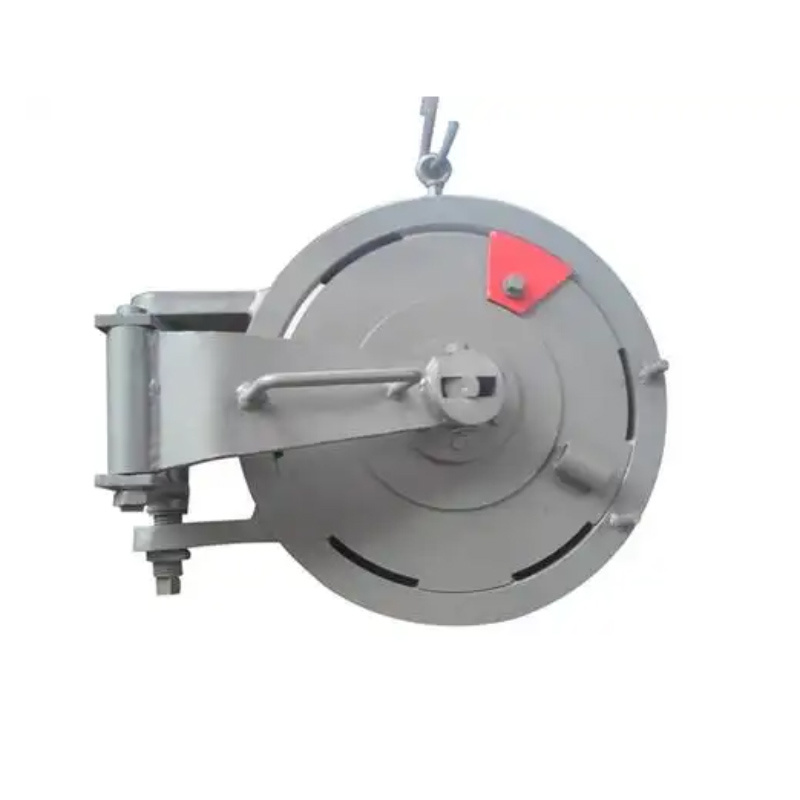
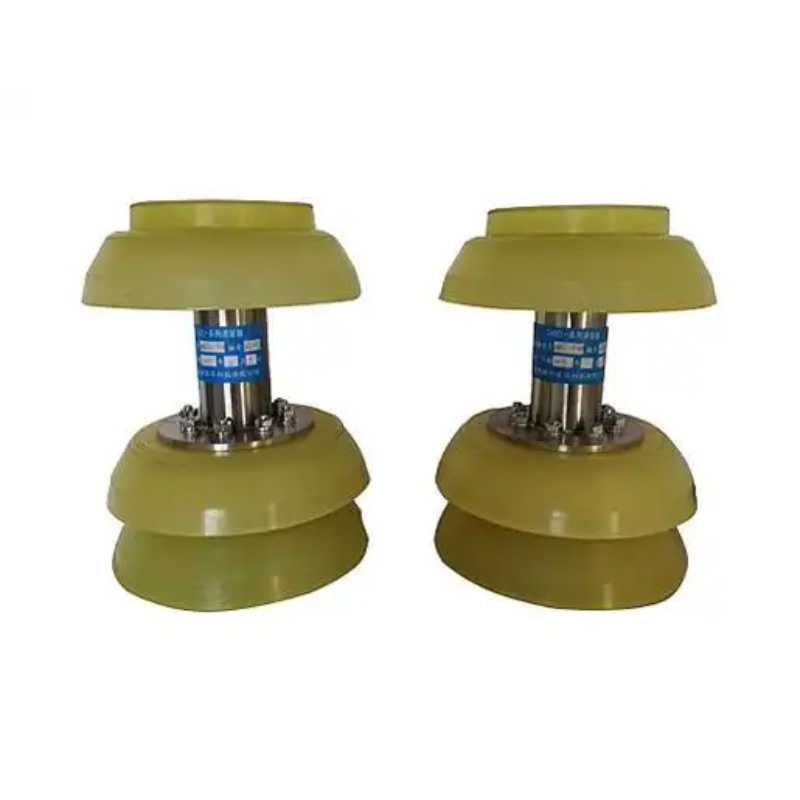
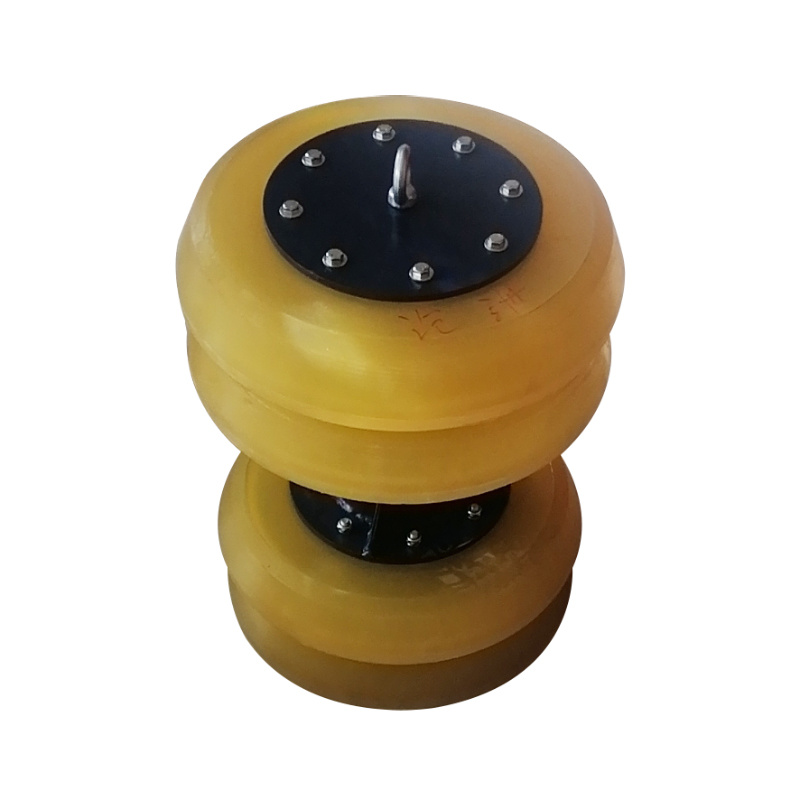
In the realm of construction and decorative materials, particularly within the context of piping systems, the term "valveless opening" refers to a design feature that plays a crucial role in fluid dynamics and system efficiency. Unlike conventional systems that rely on valves to regulate flow, valveless openings use their inherent design to facilitate the passage of fluids without the need for mechanical obstruction. This innovation can significantly enhance the performance of piping systems in various applications.
One of the primary advantages of valveless openings is their ability to reduce pressure drops within a system. In traditional piping systems, valves can create turbulent flow and lead to increased resistance, which may result in energy loss and inefficiencies. By utilizing valveless openings, fluid can flow more smoothly, maintaining optimal pressure levels and minimizing energy consumption. This is particularly beneficial in large-scale industrial applications, where efficiency directly correlates with operational costs.
Valveless openings also contribute to maintenance simplicity. Since there are no moving parts to wear down or malfunction, the likelihood of maintenance issues decreases significantly. This can lead to lower long-term operational costs and reduced downtime for repairs, making valveless designs an attractive option for many industries, including water management, HVAC systems, and chemical processing.
Moreover, the design of valveless openings can be tailored to specific applications. For instance, they can be engineered to accommodate varying flow rates and types of fluids, enhancing their versatility. This adaptability allows for their implementation in a wide range of scenarios, from residential plumbing to complex industrial processes.
Another noteworthy aspect of valveless openings is their contribution to sustainability. By allowing for more efficient fluid transport, these openings can help reduce energy consumption and the overall environmental footprint of a piping system. In an increasingly eco-conscious market, such features can provide a competitive edge for construction and materials professionals aiming to implement greener solutions.
In conclusion, valveless openings represent a forward-thinking approach to piping systems in the building and decoration materials industry. Their ability to enhance efficiency, minimize maintenance, and support sustainable practices makes them a valuable consideration for professionals looking to optimize their designs. Understanding the role and benefits of valveless openings can empower industry experts to make informed decisions that contribute to the success of their projects. Embracing such innovative concepts can lead to improved system performance and customer satisfaction, ultimately driving the industry forward.
One of the primary advantages of valveless openings is their ability to reduce pressure drops within a system. In traditional piping systems, valves can create turbulent flow and lead to increased resistance, which may result in energy loss and inefficiencies. By utilizing valveless openings, fluid can flow more smoothly, maintaining optimal pressure levels and minimizing energy consumption. This is particularly beneficial in large-scale industrial applications, where efficiency directly correlates with operational costs.
Valveless openings also contribute to maintenance simplicity. Since there are no moving parts to wear down or malfunction, the likelihood of maintenance issues decreases significantly. This can lead to lower long-term operational costs and reduced downtime for repairs, making valveless designs an attractive option for many industries, including water management, HVAC systems, and chemical processing.
Moreover, the design of valveless openings can be tailored to specific applications. For instance, they can be engineered to accommodate varying flow rates and types of fluids, enhancing their versatility. This adaptability allows for their implementation in a wide range of scenarios, from residential plumbing to complex industrial processes.
Another noteworthy aspect of valveless openings is their contribution to sustainability. By allowing for more efficient fluid transport, these openings can help reduce energy consumption and the overall environmental footprint of a piping system. In an increasingly eco-conscious market, such features can provide a competitive edge for construction and materials professionals aiming to implement greener solutions.
In conclusion, valveless openings represent a forward-thinking approach to piping systems in the building and decoration materials industry. Their ability to enhance efficiency, minimize maintenance, and support sustainable practices makes them a valuable consideration for professionals looking to optimize their designs. Understanding the role and benefits of valveless openings can empower industry experts to make informed decisions that contribute to the success of their projects. Embracing such innovative concepts can lead to improved system performance and customer satisfaction, ultimately driving the industry forward.