Why Every Construction Project Needs a Gas Pipeline Pressure Plugger: Ensuring Safety and Efficiency
May 17,2026
Why Every Construction Project Needs a Gas Pipeline Pressure Plugger: Ensuring Safety and Efficiency
Table of Contents
1. Introduction to Gas Pipeline Pressure Pluggers
2. The Importance of Gas Pipeline Pressure Pluggers in Construction
3. How Gas Pipeline Pressure Pluggers Function
4. Enhancing Safety with Gas Pipeline Pressure Pluggers
5. Improving Project Efficiency Through
Why Every Construction Project Needs a Gas Pipeline Pressure Plugger: Ensuring Safety and Efficiency
Table of Contents
- 1. Introduction to Gas Pipeline Pressure Pluggers
- 2. The Importance of Gas Pipeline Pressure Pluggers in Construction
- 3. How Gas Pipeline Pressure Pluggers Function
- 4. Enhancing Safety with Gas Pipeline Pressure Pluggers
- 5. Improving Project Efficiency Through Proper Pressure Management
- 6. Compliance with Industry Standards and Regulations
- 7. How to Choose the Right Gas Pipeline Pressure Plugger
- 8. Maintenance Tips for Gas Pipeline Pressure Pluggers
- 9. Frequently Asked Questions (FAQs)
- 10. Conclusion
1. Introduction to Gas Pipeline Pressure Pluggers
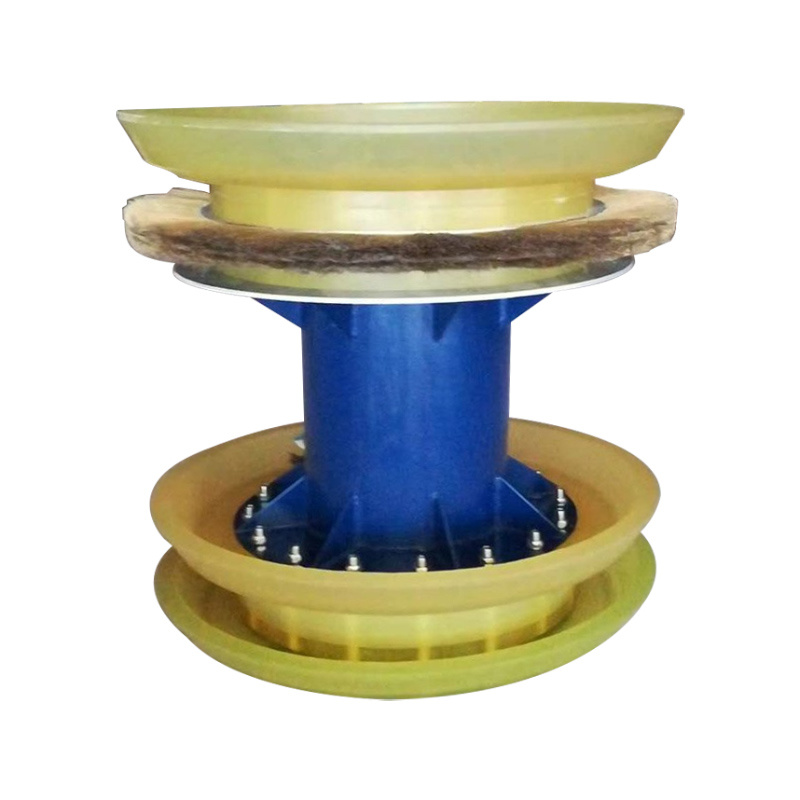
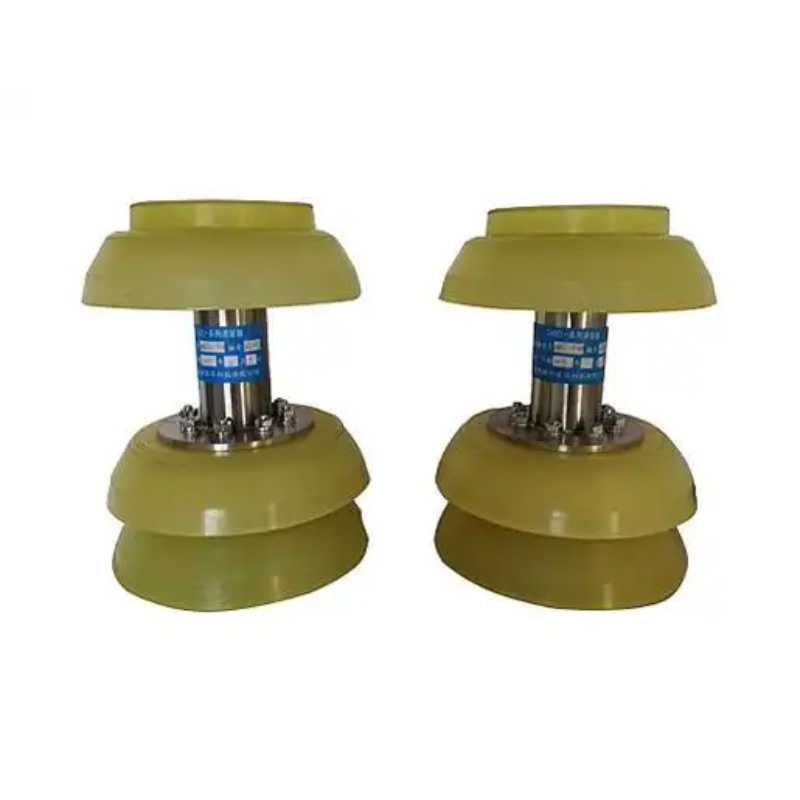
In the realm of construction, particularly when dealing with gas pipeline systems, the significance of maintaining proper pressure cannot be overstated. A **gas pipeline pressure plugger** is an essential tool that serves as a temporary seal in gas pipelines, allowing for pressure testing and maintenance without compromising safety. This article delves into the necessity of gas pipeline pressure pluggers in construction projects, highlighting their functionalities, safety enhancements, and the impact they have on efficiency and compliance.
2. The Importance of Gas Pipeline Pressure Pluggers in Construction
The use of **gas pipeline pressure pluggers** is fundamental in various construction scenarios. From new installations to maintenance and upgrades, these devices ensure that pipeline systems function correctly. Here’s why they are imperative:
2.1 Ensuring Pipeline Integrity
Gas pipelines are subjected to fluctuations in pressure due to temperature changes and external factors. Pressure pluggers help to maintain the integrity of the pipeline by preventing leaks during testing or when sections of the pipeline are being worked on.
2.2 Facilitating Efficient Workflow
By allowing for isolated testing, pressure pluggers enable construction teams to work on specific sections without shutting down entire systems. This targeted approach enhances workflow and minimizes downtime.
3. How Gas Pipeline Pressure Pluggers Function
Understanding the functionality of gas pipeline pressure pluggers is vital for appreciating their role in construction.
3.1 Mechanism of Action
When a gas pipeline pressure plugger is installed, it creates a seal that prevents gas from escaping. This mechanism is crucial for conducting pressure tests safely, ensuring that any potential leaks can be identified before the system goes live.
3.2 Types of Gas Pipeline Pressure Pluggers
There are various types of pressure pluggers available, each designed for specific applications. These include:
- **Inflatable Pluggers**: Utilized for larger pipelines, these pluggers expand to create a tight seal.
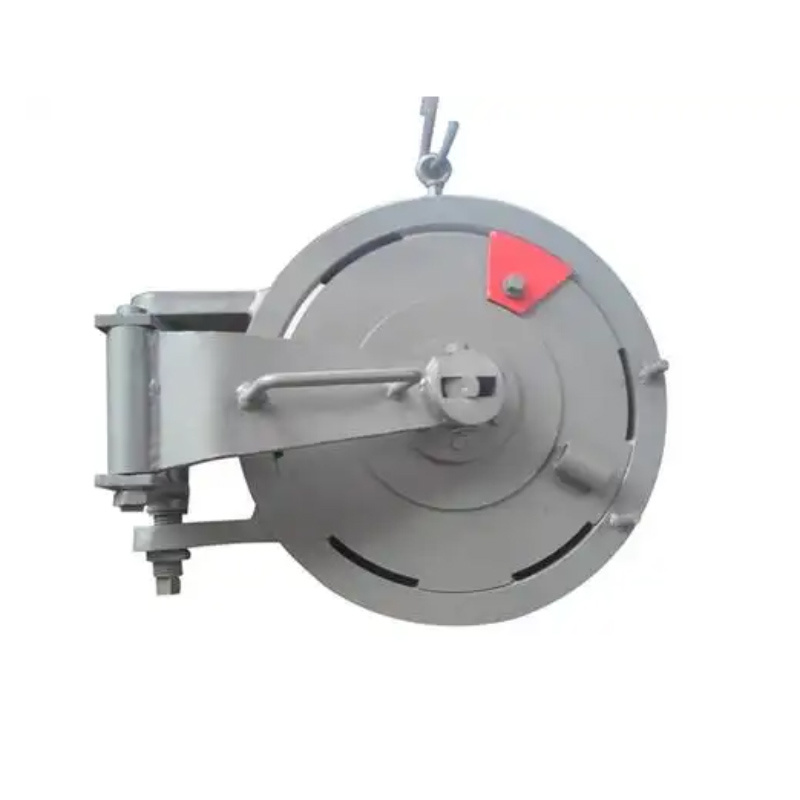
- **Mechanical Pluggers**: Suitable for smaller pipelines, these devices rely on a mechanical mechanism to secure their position.
4. Enhancing Safety with Gas Pipeline Pressure Pluggers
Safety is paramount in any construction project, particularly when dealing with gas systems. Gas pipeline pressure pluggers enhance safety in several ways.
4.1 Preventing Explosions and Leaks
By providing a reliable means to test pipeline integrity, pressure pluggers prevent dangerous leaks that could lead to explosions. The assurance that gas systems are secure before being placed into operation is a significant safety advantage.
4.2 Compliance with Safety Protocols
Using pressure pluggers helps construction teams comply with safety protocols, ensuring that all necessary tests are completed before gas flow resumes.
5. Improving Project Efficiency Through Proper Pressure Management
In addition to safety, gas pipeline pressure pluggers contribute to overall project efficiency.
5.1 Minimizing Downtime
The ability to isolate sections of a gas pipeline for maintenance means that construction teams can work more effectively, leading to reduced project timelines and lower costs.
5.2 Streamlining Inspection Processes
Pressure testing can be completed swiftly with the use of pluggers, eliminating the need for extensive shutdowns and enabling quicker turnarounds for inspections.
6. Compliance with Industry Standards and Regulations
Construction projects must adhere to various industry standards and regulations, especially regarding safety and environmental impact. Gas pipeline pressure pluggers facilitate compliance in the following ways:
6.1 Meeting Regulatory Requirements
By ensuring that pipelines are properly tested and sealed, pressure pluggers help construction companies meet local and international regulatory standards.
6.2 Documentation and Reporting
Using pressure pluggers during tests provides documentation that can be presented to regulatory bodies, demonstrating that due diligence has been followed.
7. How to Choose the Right Gas Pipeline Pressure Plugger
Selecting the right gas pipeline pressure plugger is crucial for maximizing safety and efficiency. Here are key considerations:
7.1 Assessing Pipeline Size and Type
Understand the specific requirements of your pipeline system. The size and type of the gas pipeline will dictate which pressure plugger is most suitable.
7.2 Evaluating Material and Durability
Ensure that the materials used in the plugger are resistant to gas exposure and can withstand the conditions of your construction environment.
7.3 Checking Compatibility with Existing Systems
Verify that the chosen pressure plugger is compatible with the current pipeline system to avoid any operational issues during testing.
8. Maintenance Tips for Gas Pipeline Pressure Pluggers
Proper maintenance of gas pipeline pressure pluggers is essential for ensuring their longevity and reliability.
8.1 Regular Inspections
Conduct regular inspections to check for wear and tear. Look for signs of damage or degradation that could compromise the plugger’s performance.
8.2 Cleaning and Storage
After use, clean the pressure plugger thoroughly and store it in a dry, safe environment to prevent corrosion and damage.
8.3 Following Manufacturer Guidelines
Always adhere to the manufacturer's maintenance recommendations to ensure optimal performance and safety.
9. Frequently Asked Questions (FAQs)
9.1 What is a gas pipeline pressure plugger?
A gas pipeline pressure plugger is a device used to temporarily seal a section of gas pipeline for testing and maintenance purposes.
9.2 Why are gas pipeline pressure pluggers important?
They are essential for maintaining safety, preventing leaks, and ensuring compliance with industry regulations during construction projects.
9.3 How do I choose the right gas pipeline pressure plugger?
Consider factors like pipeline size, material durability, and compatibility with existing systems when selecting a pressure plugger.
9.4 What maintenance is required for gas pipeline pressure pluggers?
Regular inspections, proper cleaning, and following the manufacturer’s guidelines are crucial for maintaining pressure pluggers.
9.5 Can gas pipeline pressure pluggers prevent accidents?
Yes, by ensuring pipelines are properly tested and sealed, they significantly reduce the risk of leaks and explosions, enhancing overall safety.
10. Conclusion
In conclusion, the role of a **gas pipeline pressure plugger** in construction projects is indispensable. Its ability to enhance safety, improve efficiency, and ensure compliance with industry standards cannot be overlooked. By investing in the right tools and understanding their functions, construction teams can mitigate risks associated with gas pipelines, making every project safer and more efficient. Embracing the use of gas pipeline pressure pluggers is not just a best practice; it is a vital step toward achieving successful outcomes in the construction industry.