Understanding Valveless Openings in Pipeline Systems: A Comprehensive Guide
May 22,2026
Valveless openings are a significant feature in modern pipeline systems, particularly in the construction and decorative materials industry. These openings are designed to facilitate the flow of fluids without the need for traditional valves, allowing for a more streamlined and efficient system. While the concept may seem simple, the implications for design, maintenance, and overall system perform
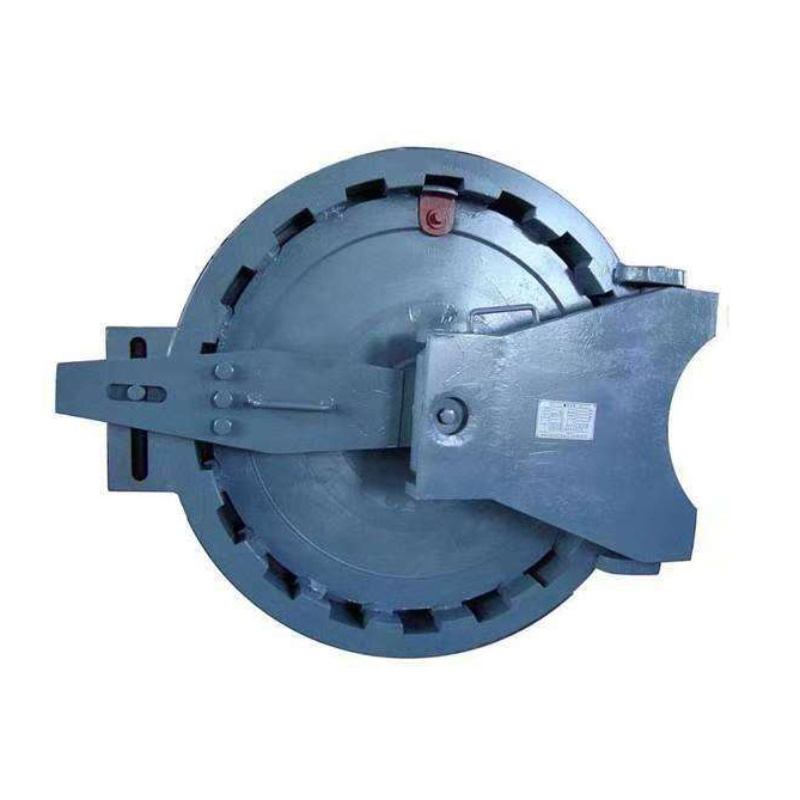
Valveless openings are a significant feature in modern pipeline systems, particularly in the construction and decorative materials industry. These openings are designed to facilitate the flow of fluids without the need for traditional valves, allowing for a more streamlined and efficient system. While the concept may seem simple, the implications for design, maintenance, and overall system performance are profound.
One of the primary advantages of valveless openings is their ability to reduce points of potential failure. In traditional systems, valves can become clogged, corroded, or malfunction, leading to costly repairs and system downtime. By eliminating these components, valveless openings contribute to a more reliable and resilient pipeline infrastructure. This is especially important in environments where consistent fluid flow is crucial for operational success.
In addition to improved reliability, valveless openings often allow for smoother fluid dynamics. The absence of valves creates fewer disturbances in the flow, minimizing turbulence and pressure drop. This feature can lead to enhanced energy efficiency, as systems can operate more smoothly with lower energy expenditure. Consequently, this attribute makes valveless openings particularly appealing for large-scale projects or systems that require constant flow, such as in water supply, irrigation, and industrial processes.
Another critical aspect of valveless openings is their versatility in design. They can be integrated seamlessly into various piping layouts, accommodating different materials and configurations. This flexibility allows architects and engineers to innovate and create more efficient systems tailored to specific project requirements. Whether in residential, commercial, or industrial applications, valveless openings can be adapted to meet diverse needs.
It's also worth noting that maintaining valveless openings can be less complex compared to traditional systems. With fewer moving parts and potential blockages, routine maintenance can be simplified, saving time and resources. This aspect is particularly advantageous in remote or hard-to-access locations where maintenance can be challenging and costly.
However, it's essential to consider the specific applications where valveless openings are most beneficial. They are best suited for systems where continuous flow is necessary, and the risk of backflow is minimal. Understanding the intended use and environmental conditions will help professionals make informed decisions regarding their implementation.
In conclusion, valveless openings offer a range of benefits for pipeline systems in the construction and decorative materials industry. From enhancing efficiency and reliability to providing design flexibility and simplifying maintenance, these openings represent a forward-thinking solution for modern piping challenges. As the industry continues to evolve, embracing innovative approaches like valveless openings will be key to achieving optimal performance and sustainability in pipeline systems.
One of the primary advantages of valveless openings is their ability to reduce points of potential failure. In traditional systems, valves can become clogged, corroded, or malfunction, leading to costly repairs and system downtime. By eliminating these components, valveless openings contribute to a more reliable and resilient pipeline infrastructure. This is especially important in environments where consistent fluid flow is crucial for operational success.
In addition to improved reliability, valveless openings often allow for smoother fluid dynamics. The absence of valves creates fewer disturbances in the flow, minimizing turbulence and pressure drop. This feature can lead to enhanced energy efficiency, as systems can operate more smoothly with lower energy expenditure. Consequently, this attribute makes valveless openings particularly appealing for large-scale projects or systems that require constant flow, such as in water supply, irrigation, and industrial processes.
Another critical aspect of valveless openings is their versatility in design. They can be integrated seamlessly into various piping layouts, accommodating different materials and configurations. This flexibility allows architects and engineers to innovate and create more efficient systems tailored to specific project requirements. Whether in residential, commercial, or industrial applications, valveless openings can be adapted to meet diverse needs.
It's also worth noting that maintaining valveless openings can be less complex compared to traditional systems. With fewer moving parts and potential blockages, routine maintenance can be simplified, saving time and resources. This aspect is particularly advantageous in remote or hard-to-access locations where maintenance can be challenging and costly.
However, it's essential to consider the specific applications where valveless openings are most beneficial. They are best suited for systems where continuous flow is necessary, and the risk of backflow is minimal. Understanding the intended use and environmental conditions will help professionals make informed decisions regarding their implementation.
In conclusion, valveless openings offer a range of benefits for pipeline systems in the construction and decorative materials industry. From enhancing efficiency and reliability to providing design flexibility and simplifying maintenance, these openings represent a forward-thinking solution for modern piping challenges. As the industry continues to evolve, embracing innovative approaches like valveless openings will be key to achieving optimal performance and sustainability in pipeline systems.