Innovative Applications of High-Pressure Pipe Pluggers in Modern Construction
May 27,2026

Innovative Applications of High-Pressure Pipe Pluggers in Modern Construction
In the ever-evolving landscape of construction, efficiency, safety, and sustainability are paramount. Among the tools that have revolutionized these aspects in modern building projects are **high-pressure pipe pluggers**. These innovative devices not only streamline workflows but also ensure reliability in various applications, from plumbing to structural integrity assessments. In this article, we delve deep into the multifaceted applications of high-pressure pipe pluggers and their transformative impact on the construction industry.
Table of Contents
- 1. Introduction to High-Pressure Pipe Pluggers
- 2. Understanding High-Pressure Pipe Pluggers
- 3. Applications in Modern Construction
- 3.1 Preventing Leaks and Contamination
- 3.2 Hydraulic Testing of Pipelines
- 3.3 Restoration Works in Existing Structures
- 3.4 Enhancing Construction Safety
- 4. Advantages of Using High-Pressure Pipe Pluggers
- 5. Material Selection for Pipe Pluggers
- 6. Installation and Maintenance Considerations
- 7. Future Trends in Pipe Plugger Technology
- 8. Frequently Asked Questions
- 9. Conclusion
1. Introduction to High-Pressure Pipe Pluggers
High-pressure pipe pluggers serve a critical function in ensuring the integrity of piping systems. They are designed to temporarily seal off sections of piping to prevent fluid or gas leaks. Their importance in the construction sector cannot be overstated, as they allow for efficient testing, repairs, and maintenance of essential infrastructure. Whether in new builds or renovations, these pluggers are indispensable tools that contribute to effective project management and cost-saving strategies.
2. Understanding High-Pressure Pipe Pluggers
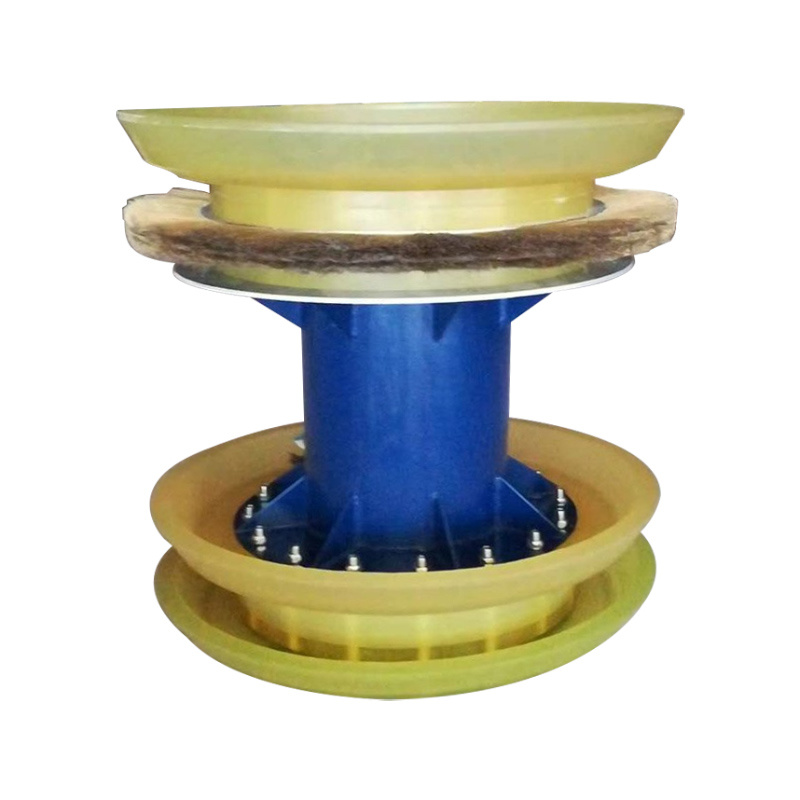
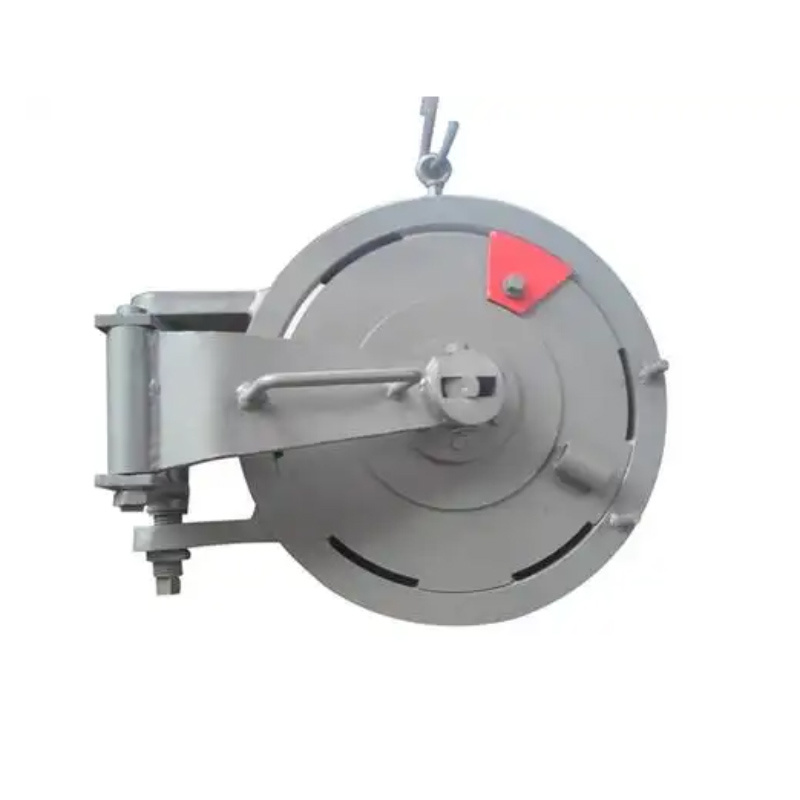
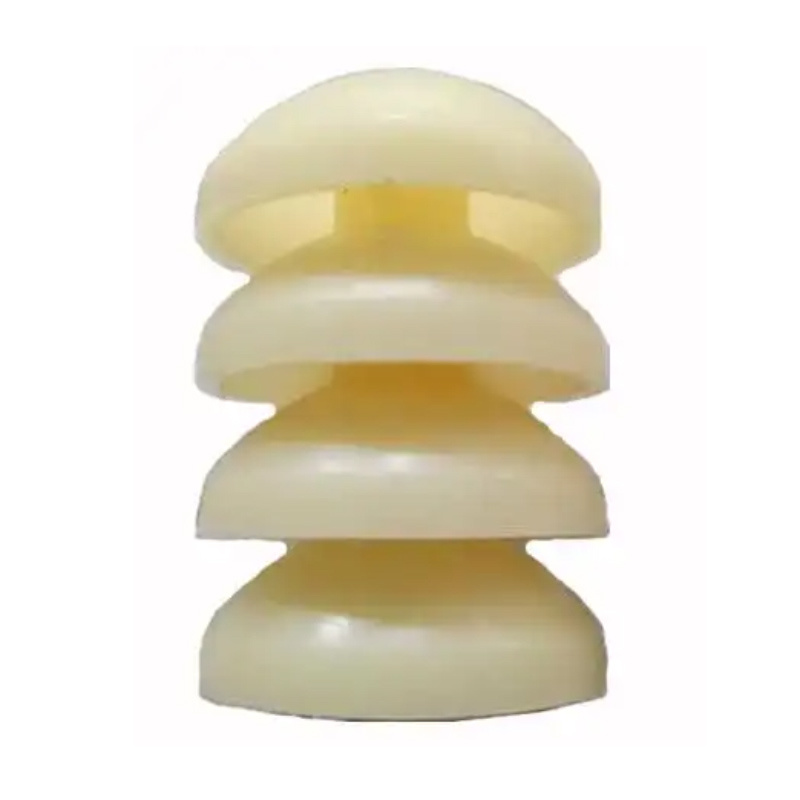
High-pressure pipe pluggers are devices engineered to create airtight seals within pipe systems under high-pressure conditions. They operate on the principle of expanding within the pipe when activated, thus blocking the flow of whatever substance is being transported. Typically made from durable materials such as rubber, polyurethane, or even metal, these pluggers are versatile and can cater to various pipe diameters and materials. Understanding their design and function is crucial for construction professionals looking to optimize their use.
3. Applications in Modern Construction
3.1 Preventing Leaks and Contamination
One of the primary applications of high-pressure pipe pluggers is in **preventing leaks**. By effectively sealing off sections of pipe, these devices ensure that no fluid escapes into the environment. This is particularly important in industries where hazardous materials are involved, as leaks can lead to serious environmental and safety issues. The ability to conduct repairs or alterations without shutting down entire systems is another significant benefit, making pluggers a must-have tool for contractors.
3.2 Hydraulic Testing of Pipelines
High-pressure pipe pluggers are indispensable during **hydraulic testing**. This process involves pressurizing a section of the pipeline to check for leaks and ensure structural integrity. By using pluggers to isolate segments of the pipe, construction teams can conduct thorough tests without risking damage to the entire system. This capability not only saves time but also reduces costs associated with extensive repairs or replacements.
3.3 Restoration Works in Existing Structures
In the context of **restoration works**, high-pressure pipe pluggers play a vital role. Older buildings often have outdated piping systems that require upgrades or replacements. By using pluggers, contractors can isolate sections of the system while work is being performed, minimizing disruption to the building's occupants. This application is particularly beneficial in commercial settings where downtime can lead to significant revenue loss.
3.4 Enhancing Construction Safety
Safety is a cornerstone of the construction industry, and high-pressure pipe pluggers contribute significantly to safe practices. By preventing hazardous leaks and allowing for safe testing and repairs, these devices help maintain a secure work environment. They also reduce the risk of accidents related to pressurized systems, thus fostering a culture of safety that is crucial for successful project outcomes.
4. Advantages of Using High-Pressure Pipe Pluggers
The advantages of using high-pressure pipe pluggers extend beyond their immediate applications. Some of the notable benefits include:
- Efficiency: Pluggers can significantly reduce the time needed for testing and repairs, leading to faster project completions.
- Cost-Effectiveness: By preventing leaks and allowing for targeted repairs, pluggers can save substantial amounts in potential damage and downtime.
- Versatility: With various sizes and materials available, pipe pluggers can be adapted for different situations and systems.
- Improved Safety: By mitigating the risks associated with pressurized systems, pluggers enhance overall site safety.
- Environmental Protection: By preventing leaks, pluggers play a crucial role in minimizing environmental impact.
5. Material Selection for Pipe Pluggers
The materials used in the construction of high-pressure pipe pluggers are critical to their performance. Common materials include:
- Rubber: Known for its elasticity and strength, rubber is commonly used in pluggers designed for standard applications.
- Polyurethane: This material offers excellent chemical resistance and durability, making it ideal for harsh operating environments.
- Metal: For high-pressure applications, metal pluggers are often preferred due to their strength and reliability under extreme conditions.
Choosing the right material depends on the specific application, including the type of fluid being transported and the pressure conditions involved.
6. Installation and Maintenance Considerations
Proper installation and maintenance are essential for maximizing the effectiveness of high-pressure pipe pluggers. Key considerations include:
- Installation: Follow manufacturer guidelines for installing pluggers to ensure a proper seal. This often involves cleaning the pipe ends and ensuring a snug fit.
- Regular Inspections: Periodically inspect pluggers for signs of wear or damage. Replace any that show deterioration to maintain system integrity.
- Training: Ensure that installation and maintenance personnel are properly trained in the use of high-pressure pipe pluggers. This can help prevent accidents and ensure effective use.
7. Future Trends in Pipe Plugger Technology
The future of high-pressure pipe plugger technology looks promising, with several trends on the horizon:
- Smart Technologies: The integration of smart sensors in pipe pluggers may allow for real-time monitoring of pressure and seal integrity, providing advanced warning of potential failures.
- Sustainable Materials: As environmental concerns become more pressing, the development of eco-friendly materials for pipe pluggers is likely to gain traction.
- Increased Automation: Automated systems for deploying and retrieving pipe pluggers can enhance efficiency and reduce labor costs.
8. Frequently Asked Questions
What are high-pressure pipe pluggers used for?
High-pressure pipe pluggers are used to temporarily seal off piping sections to prevent fluid or gas leakage, conduct hydraulic testing, and facilitate repairs in a safe manner.
How do you install a high-pressure pipe plugger?
Installation involves cleaning the pipe ends, ensuring the plugger fits snugly, and following the manufacturer’s guidelines for securing it in place.
Are there different sizes of pipe pluggers available?
Yes, high-pressure pipe pluggers come in various sizes to accommodate different pipe diameters and applications.
What materials are high-pressure pipe pluggers made from?
Common materials include rubber, polyurethane, and metal, chosen based on the specific requirements of the application.
How do you maintain high-pressure pipe pluggers?
Regular inspections for wear and damage, along with following proper installation procedures, are essential for maintaining high-pressure pipe pluggers.
9. Conclusion
High-pressure pipe pluggers are a vital component of modern construction practices, offering a blend of efficiency, safety, and versatility. Their innovative applications in preventing leaks, conducting hydraulic tests, and enhancing restoration efforts demonstrate their importance in maintaining the integrity of piping systems. As technology continues to advance, the future of high-pressure pipe pluggers promises even more enhancements, ensuring their place as essential tools in the construction industry. By investing in these valuable devices, construction professionals can achieve higher standards of safety and operational efficiency, paving the way for a sustainable and successful future in construction.