High-Pressure Pipe Pluggers: A Comprehensive Guide for Contractors
Apr 07,2026
High-Pressure Pipe Pluggers: A Comprehensive Guide for Contractors
Table of Contents
1. Introduction to High-Pressure Pipe Pluggers
2. What are High-Pressure Pipe Pluggers?
3. Types of High-Pressure Pipe Pluggers
3.1 Mechanical Pipe Pluggers
3.2 Inflatable Pipe Pluggers
3.3 Pneumatic Pipe Pluggers
4. Applications of High-Pressure Pipe Pluggers
5. Key Features to Consider When Cho

High-Pressure Pipe Pluggers: A Comprehensive Guide for Contractors
Table of Contents
1. Introduction to High-Pressure Pipe Pluggers
2. What are High-Pressure Pipe Pluggers?
3. Types of High-Pressure Pipe Pluggers
3.1 Mechanical Pipe Pluggers
3.2 Inflatable Pipe Pluggers
3.3 Pneumatic Pipe Pluggers
4. Applications of High-Pressure Pipe Pluggers
5. Key Features to Consider When Choosing a Pipe Plugger
5.1 Material Durability
5.2 Size and Compatibility
5.3 Pressure Ratings
6. Installation Techniques for High-Pressure Pipe Pluggers
7. Maintenance Tips for Longevity and Performance
8. Frequently Asked Questions (FAQs)
9. Conclusion
1. Introduction to High-Pressure Pipe Pluggers
High-pressure pipe pluggers play a crucial role in the construction and plumbing industry. Contractors often face situations that require the temporary sealing of pipes under high pressure. Understanding the intricacies of these devices is essential for optimizing workflows, ensuring safety, and reducing project downtime. In this comprehensive guide, we delve deep into high-pressure pipe pluggers, their types, applications, and installation techniques.
2. What are High-Pressure Pipe Pluggers?
High-pressure pipe pluggers are specialized devices designed to block the flow of fluids in pipes under high-pressure conditions. They are essential for various applications, including construction, maintenance, and emergency repairs. By sealing the pipeline, contractors can perform necessary work without disrupting the entire system or causing leaks.
3. Types of High-Pressure Pipe Pluggers
Understanding the different types of high-pressure pipe pluggers available in the market is vital for selecting the right tool for specific applications. Here are the main types:
3.1 Mechanical Pipe Pluggers
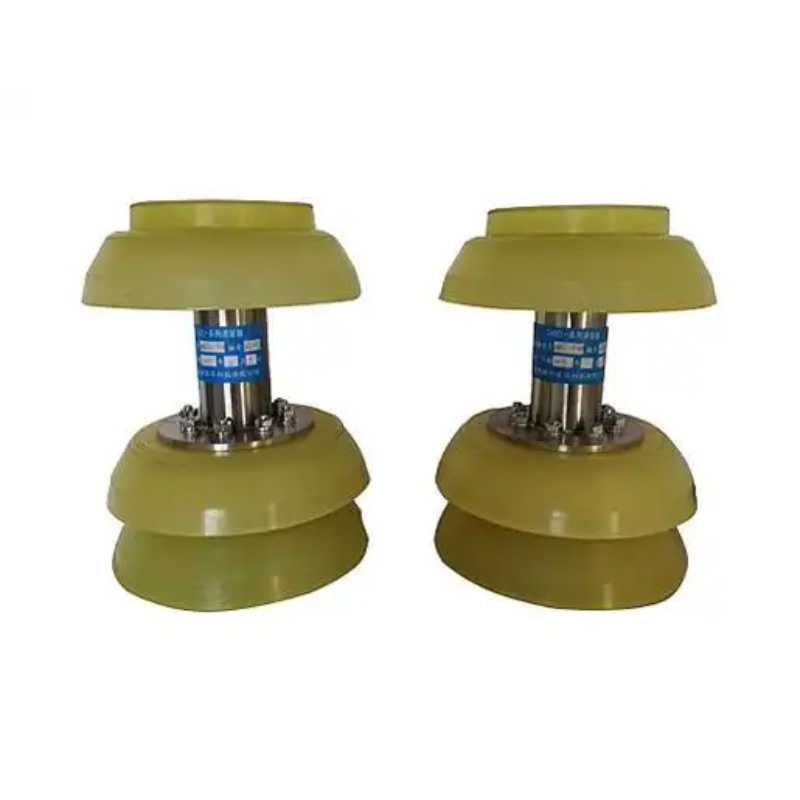
Mechanical pipe pluggers utilize a physical mechanism to seal the pipe. They often consist of a cylindrical body with expandable seals that fit snugly against the pipe walls. These pluggers are easy to install and remove, making them a popular choice for many contractors.
3.2 Inflatable Pipe Pluggers
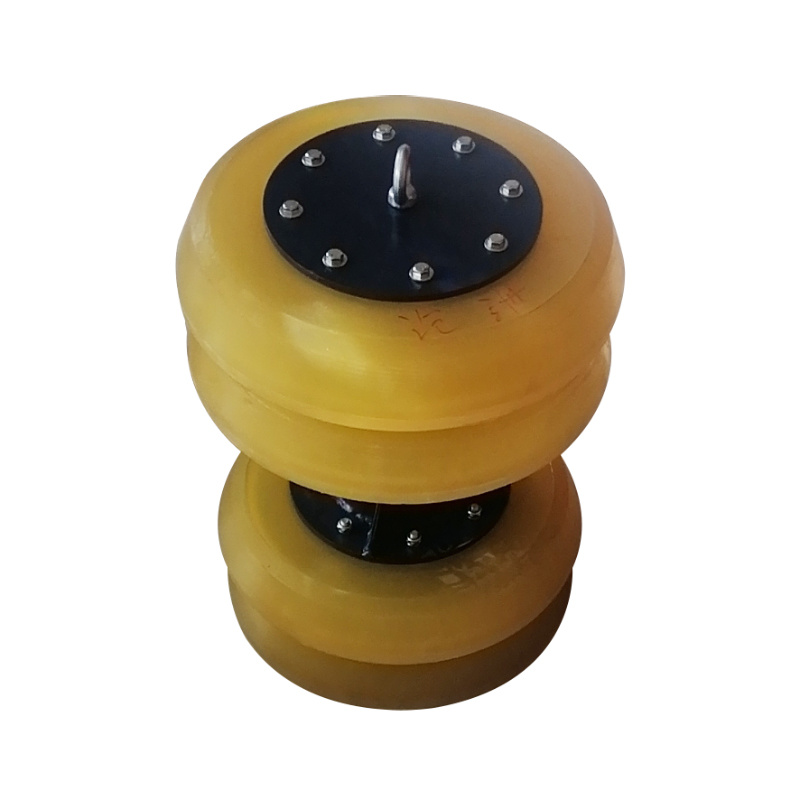
Inflatable pipe pluggers are unique in their design, as they use air pressure to expand and seal the pipe. These pluggers are ideal for irregularly shaped pipes or when a high level of flexibility is required. They provide a tight seal and are often used in emergency situations.
3.3 Pneumatic Pipe Pluggers
Pneumatic pipe pluggers operate using compressed air to create a seal within the pipe. They are efficient for high-pressure applications and offer a reliable solution for sealing large-diameter pipes. Contractors appreciate their quick setup and ease of use.
4. Applications of High-Pressure Pipe Pluggers
High-pressure pipe pluggers find applications across various sectors, including:
- **Water and Wastewater Management**: For temporary sealing during repairs or maintenance.
- **Oil and Gas Industry**: Sealing pipelines during inspections or emergency responses.
- **Construction Projects**: Blocking off sections of pipes to facilitate safe work environments.
- **Manufacturing Facilities**: Ensuring production continuity while performing maintenance on pipe systems.
Each of these applications highlights the versatility and necessity of high-pressure pipe pluggers in maintaining productivity and safety.
5. Key Features to Consider When Choosing a Pipe Plugger
Selecting the right high-pressure pipe plugger requires careful consideration of several key features. Here are the critical factors to evaluate:
5.1 Material Durability
The materials used in constructing pipe pluggers are paramount. Look for high-quality materials that can withstand corrosive substances and high-pressure conditions. Common materials include rubber, silicone, and reinforced plastics.
5.2 Size and Compatibility
Ensure that the chosen pipe plugger fits the diameter of the pipes being sealed. Many manufacturers offer pluggers in various sizes to accommodate different pipe dimensions.
5.3 Pressure Ratings
Check the pressure rating of the plugger to ensure it can withstand the specific requirements of your project. Most high-pressure pipe pluggers are rated for pressures ranging from 100 to over 500 psi.
6. Installation Techniques for High-Pressure Pipe Pluggers
Proper installation techniques are vital for the effective functioning of high-pressure pipe pluggers. Here is a step-by-step guide to ensure successful installation:
1. **Prepare the Pipe**: Clean the area around the pipe where the plugger will be installed. Remove any debris or obstructions.
2. **Select the Right Plugger**: Choose the appropriate plugger based on the pipe size and pressure requirements.
3. **Insert the Plugger**: Carefully insert the plugger into the pipe, ensuring it is aligned correctly.
4. **Activate the Plugger**: Depending on the type, activate the plugger by either expanding it mechanically, inflating it, or applying pneumatic pressure.
5. **Check for Leaks**: After installation, monitor the area for any potential leaks. Adjust as necessary to achieve a tight seal.
7. Maintenance Tips for Longevity and Performance
Regular maintenance of high-pressure pipe pluggers is essential for ensuring their longevity and performance. Here are some tips to help maintain these devices:
- **Clean After Use**: Rinse off any materials stuck on the plugger after each use to prevent deterioration.
- **Inspect Regularly**: Regularly check for wear and tear, especially seals and inflatable components. Replace any damaged parts promptly.
- **Store Properly**: Keep pluggers in a dry, safe location to avoid exposure to extreme temperatures or harsh chemicals.
By adhering to these maintenance practices, contractors can extend the lifespan of their high-pressure pipe pluggers and enhance their reliability.
8. Frequently Asked Questions (FAQs)
What is the maximum pressure that high-pressure pipe pluggers can handle?
High-pressure pipe pluggers can typically handle pressures ranging from 100 to over 500 psi, depending on the design and materials used.
How do I choose the right size plugger for my project?
To choose the right size plugger, measure the diameter of the pipe and select a plugger that matches or slightly exceeds that size.
Can inflatable pipe pluggers be reused?
Yes, inflatable pipe pluggers can be reused if they are properly maintained and inspected for any signs of damage or wear.
What industries commonly use high-pressure pipe pluggers?
High-pressure pipe pluggers are widely used in the oil and gas industry, water and wastewater management, and construction projects.
How can I ensure a tight seal with my pipe plugger?
To ensure a tight seal, follow proper installation techniques, and regularly inspect the plugger for wear. Additionally, choosing a high-quality plugger designed for your specific pressure requirements can help achieve optimal sealing.
9. Conclusion
High-pressure pipe pluggers are indispensable tools for contractors working in various industries. By understanding their types, applications, and installation techniques, professionals can enhance their productivity and minimize risks associated with high-pressure systems. Proper selection, installation, and maintenance of these devices will lead to safer and more efficient operations, allowing contractors to tackle projects confidently. Whether you are sealing pipes in construction or managing emergencies in the oil and gas sector, high-pressure pipe pluggers will prove to be a valuable asset in your toolkit.